

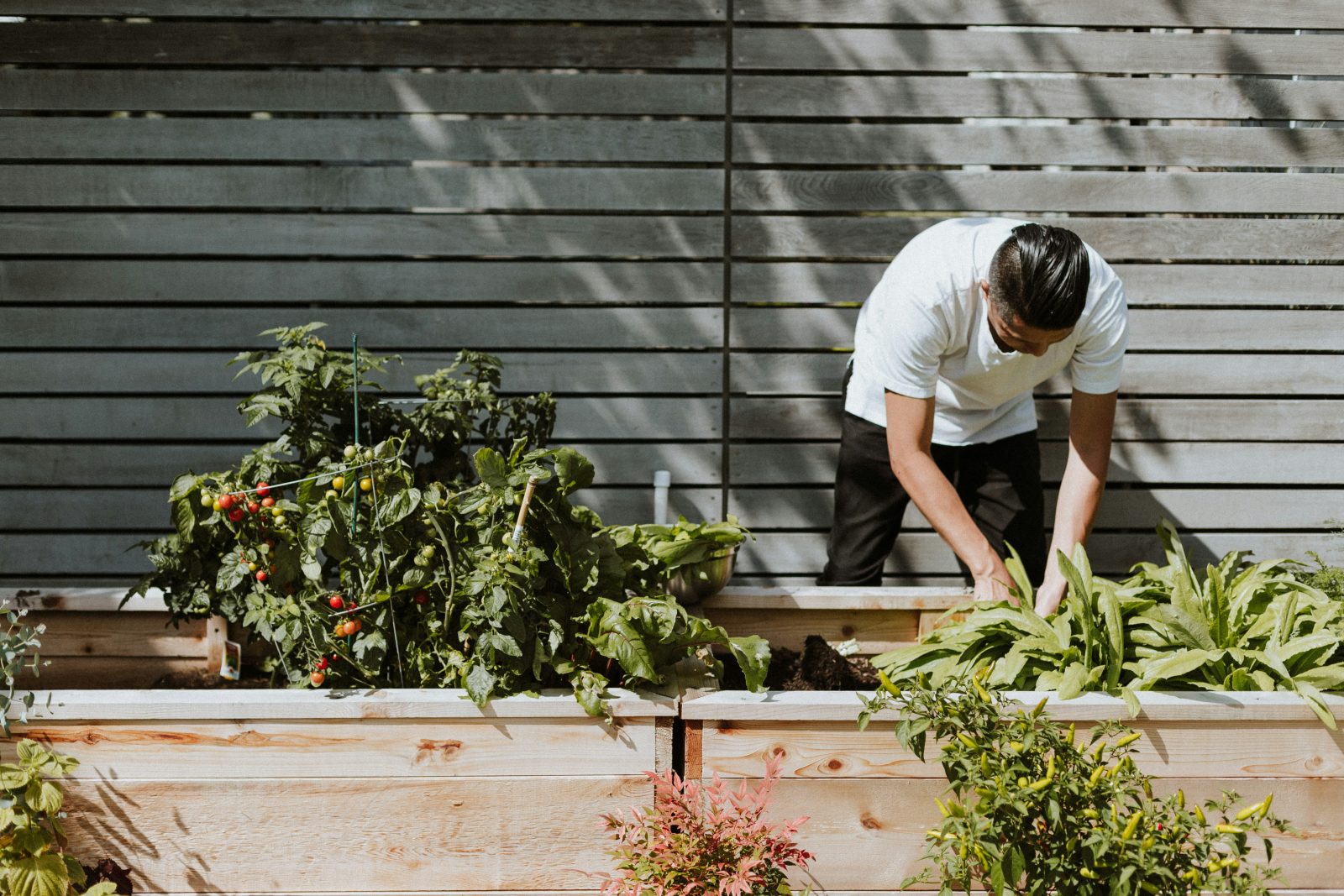

A beautiful garden needn’t cost a fortune.
With a little creativity and resourcefulness, you can transform your outdoor space without splashing out on expensive plants, tools or landscaping.
Whether you’re a seasoned green-fingered enthusiast or a complete beginner, these money-saving gardening tips will help you cultivate a thriving garden while keeping your finances firmly in check.
1. Grow from Seeds and Cuttings
Buying established plants from garden centres can quickly eat into your budget.
Instead, consider growing your plants from seeds, which cost a fraction of the price. Many popular flowers and vegetables such as marigolds, cosmos, courgettes and tomatoes germinate easily and produce abundant crops.
You can also propagate new plants for free by taking cuttings from existing ones. Herbs like rosemary, mint and lavender root readily in water or compost, giving you a continuous supply without repeated trips to the nursery.
2. Make Your Own Compost
Commercial compost can be surprisingly pricey, but making your own is simple and sustainable.
Gather kitchen scraps – vegetable peelings, coffee grounds, eggshells—and mix them with grass clippings, autumn leaves and cardboard.
Over time, they will break down into rich, crumbly compost that will nourish your soil and feed your plants naturally. Not only does this save money, but it also reduces waste going to landfill.
3. Reuse and Upcycle
Before buying new pots or planters, see what you already have at home.
Old buckets, crates, or even chipped teapots can make charming containers with a bit of imagination.
Punch drainage holes in the bottom, add some gravel, and you have perfectly serviceable planters.
Wooden pallets are excellent for building vertical gardens, raised beds or compost bins at no cost.
Charity shops and online marketplaces like Freecycle can also be treasure troves for affordable or free gardening supplies.
4. Save Rainwater
Instead of relying on mains water, collect rainwater in barrels or water butts.
In many parts of the UK, water meters mean you pay for every litre used, so capturing rainfall will reduce your bill and help the environment.
Place a barrel under a downpipe and use the stored water during dry spells to keep your plants hydrated.
5. Swap with Fellow Gardeners
Joining a local gardening group or allotment association can open up opportunities to share seeds, seedlings, tools and knowledge.
Plant swaps are a brilliant way to diversify your garden without spending a penny.
Likewise, if you have surplus produce, trading with neighbours builds community spirit and ensures nothing goes to waste.
6. Mulch to Reduce Costs
A thick layer of mulch – such as bark chips, grass cuttings or leaf mould- helps retain moisture, suppress weeds and improve soil quality.
This means you’ll spend less on watering, weedkillers and fertilisers in the long run. Best of all, many mulching materials can be sourced free from your own garden.
Gardening on a budget doesn’t mean compromising on beauty or productivity.
By sowing seeds, reusing materials, harvesting rainwater and sharing resources, you can create a flourishing outdoor haven without overspending.
With a little effort and ingenuity, your garden will reward you generously both in savings and satisfaction.