

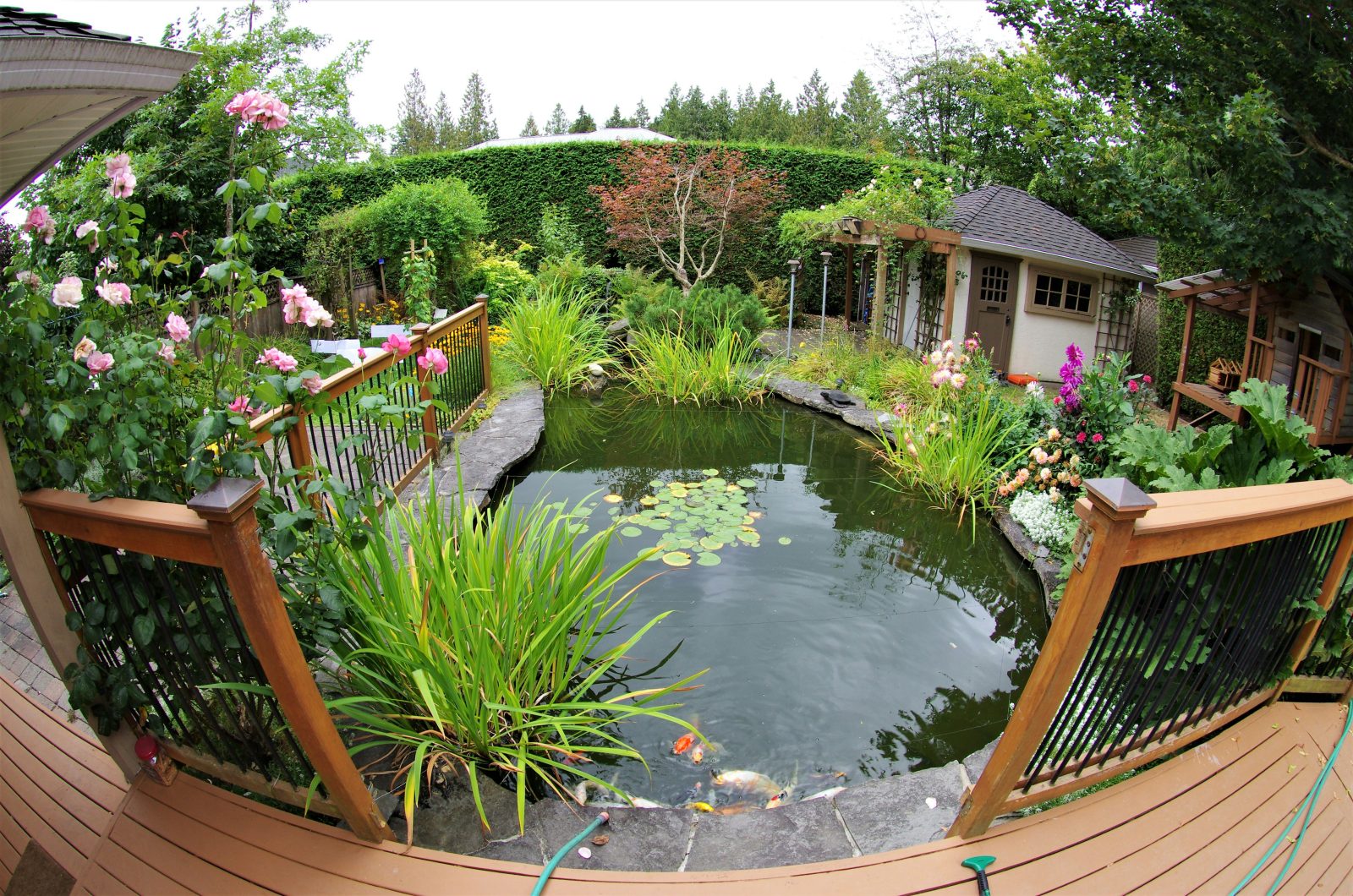

As spring arrives, gardens begin to burst back into life — and it’s not just about how they look. More homeowners are now thinking about how their outdoor spaces can support local wildlife, particularly pollinators like bees, butterflies and birds.
Creating a wildlife-friendly garden doesn’t mean letting things grow wild or sacrificing style. With a few thoughtful changes, you can design a space that is both beautiful and beneficial to the environment.
Here’s how to transform your garden into a thriving pollinator haven this spring.
Choose Pollinator-Friendly Plants
The foundation of any wildlife-friendly garden is the plants you choose. Pollinators are drawn to flowers rich in nectar and pollen, particularly those with open shapes that make feeding easy.
Popular spring and summer options include lavender, foxgloves, echinacea and wildflowers. Aim for a mix of plants that flower at different times to provide a continuous food source throughout the seasons.
Native plants are especially valuable, as they are well-suited to local wildlife and growing conditions.
Create a Variety of Habitats
A truly wildlife-friendly garden offers more than just flowers. Providing a range of habitats will encourage different species to visit and stay.
Simple additions can make a big difference:
- Log piles for insects and small mammals
- Bird boxes and feeders
- A small pond or water feature
- Areas of longer grass or wild patches
Even in smaller gardens, these features can be incorporated without taking up too much space.
Rethink Your Lawn
Perfectly manicured lawns are becoming less of a priority, with many gardeners opting for a more natural approach.
Allowing parts of your lawn to grow longer or introducing wildflower areas can significantly increase biodiversity. Not only does this support pollinators, but it also adds texture and visual interest to your garden.
Reduce or Eliminate Pesticides
One of the most important steps in creating a pollinator-friendly garden is reducing the use of chemicals. Pesticides and herbicides can be harmful to beneficial insects as well as pests.
Instead, consider natural alternatives such as companion planting or encouraging predator species like ladybirds, which help keep pest populations under control.
Provide Water Sources
Pollinators need water just as much as they need nectar. Adding a shallow water source can make your garden even more inviting.
This could be as simple as a dish with stones for insects to land on, or a more decorative feature like a birdbath or small pond. Keeping water clean and topped up is key, especially during warmer weather.
Think About Year-Round Support
While spring is the perfect time to get started, a successful wildlife garden supports pollinators throughout the year.
Consider planting for different seasons, leaving seed heads in place over winter, and avoiding cutting everything back too early. These small actions provide food and shelter when it’s needed most.
Balance Beauty with Purpose
A common misconception is that wildlife-friendly gardens look messy or unstructured. In reality, they can be just as visually appealing as traditional designs.
Use pathways, borders and defined planting areas to create a sense of order, while still allowing nature to thrive. Combining structured elements with softer, natural planting can give you the best of both worlds.
Turning your garden into a pollinator haven doesn’t require a complete overhaul. Small, intentional changes can have a significant impact, helping to support local ecosystems while enhancing the look and feel of your outdoor space.
By choosing the right plants, creating diverse habitats and embracing a more natural approach, you can enjoy a garden that is full of life in every sense — not just in spring, but all year round.