

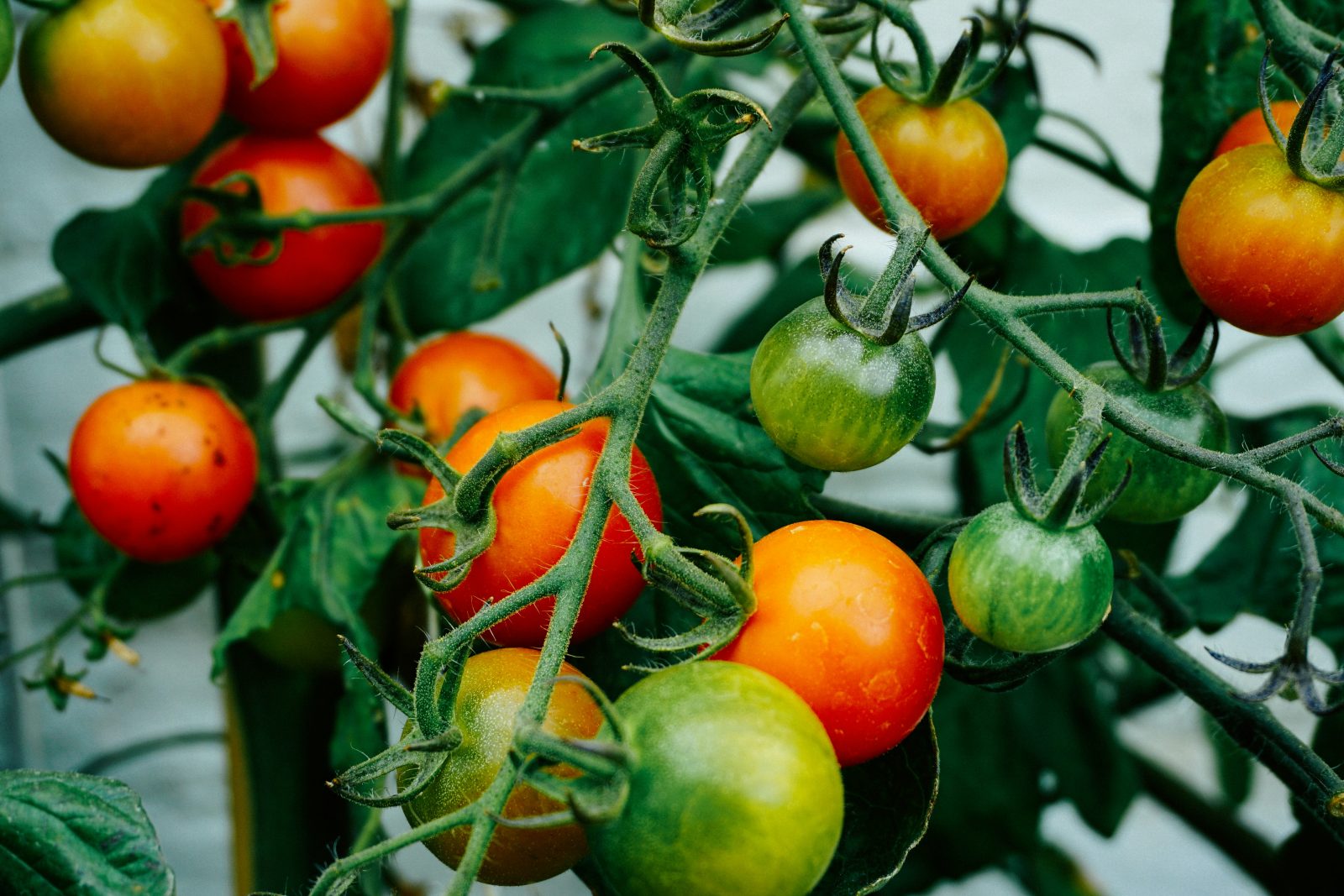

Growing your own vegetables is one of life’s simplest and most satisfying pleasures.
Not only does it reduce your reliance on shop-bought produce, but it also connects you with the rhythms of the seasons and provides nourishing, freshly harvested food.
Yet, many aspiring gardeners find their efforts falter without understanding the essentials. The true key to success in vegetable growing lies in preparation, patience and consistency.
Start with the Right Site
The foundation of a productive vegetable patch is its location.
Most vegetables thrive in full sun ideally six to eight hours of direct light daily.
Observe your garden throughout the day to pinpoint the brightest spot. Good drainage is also crucial. Avoid areas where water tends to collect after rain, as persistent dampness can rot young roots.
If your soil is heavy clay or particularly stony, consider building raised beds filled with rich, crumbly compost.
Know Your Soil
Healthy soil is the engine room of any vegetable garden.
Before you plant anything, take time to improve it. Dig in plenty of well-rotted manure or homemade compost to enrich the nutrient content and encourage beneficial organisms like earthworms.
If you’re unsure about your soil’s pH or fertility, inexpensive test kits are widely available. Most vegetables prefer slightly acidic to neutral soil (around pH 6.5–7). Adjust as needed to create the ideal growing environment.
Plan for Success
Enthusiasm often tempts beginners to sow too much, too soon.
Careful planning is the antidote to overcrowding and wasted effort. Sketch out your beds, noting which crops you’d like to grow and when to sow them.
Staggering planting times means you’ll enjoy a steady harvest rather than a glut followed by scarcity.
Remember that some plants, such as runner beans and courgettes, produce prolifically, while others, like carrots or lettuces, can be sown in succession every few weeks.
Water Wisely
Consistent watering is essential, particularly during germination and dry spells.
Instead of frequent light sprinklings, which encourage shallow roots, give your vegetables a thorough soak once or twice a week.
Early morning is the best time to water, reducing evaporation and preventing fungal diseases that thrive in damp night-time conditions.
Mulching your beds with organic matter helps retain moisture and keeps weeds at bay.
Protect and Nurture
Young plants are vulnerable to pests and extremes of weather.
Netting and cloches can shield seedlings from hungry birds, slugs and sudden frosts.
Keep an eye out for common nuisances like aphids and cabbage white butterflies, dealing with them promptly before they gain a foothold. Regular weeding and gentle hoeing will keep competition for nutrients to a minimum.
Harvest at the Right Time
Picking vegetables when they’re at their peak ensures the best flavour and encourages further production.
For example, courgettes should be harvested while small and tender, and beans are sweetest before seeds swell inside the pods.
Check your crops often – sometimes even a few days’ delay can make the difference between perfection and over-maturity.
The key to success in vegetable gardening is a combination of good preparation, careful observation and consistent care.
By understanding your soil, planning thoughtfully and responding to the needs of your plants, you’ll be rewarded with a bountiful, delicious harvest that makes every effort worthwhile.
Happy growing!