

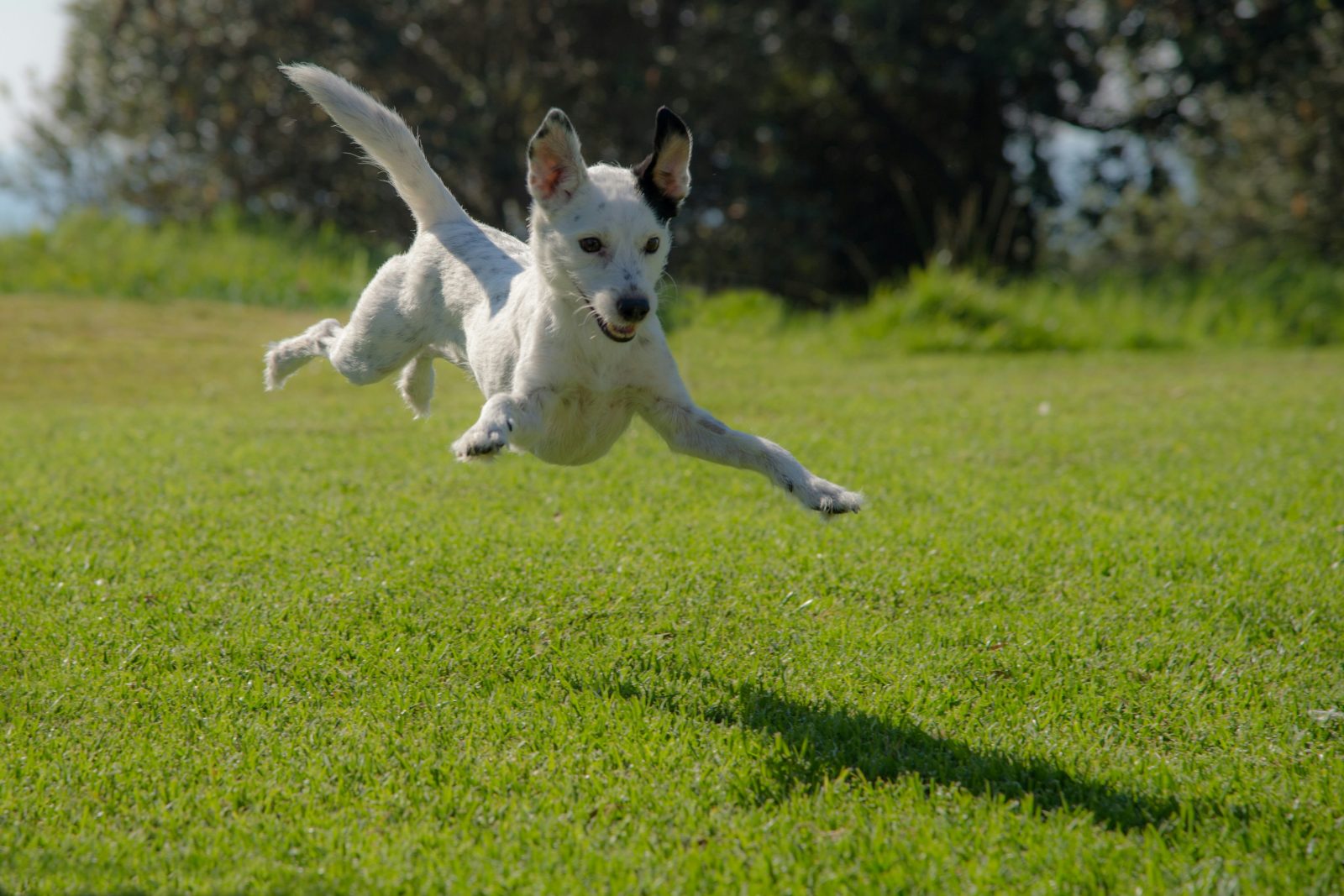

Creating a garden that is both beautiful and dog-friendly requires some thoughtful planning.
Ensuring your garden is safe and enjoyable for your dog involves choosing non-toxic plants and creating secure boundaries.
By making these adjustments, you can provide a space where your dog can explore and play without worry.
Consider incorporating dog-friendly paths and play areas to keep your garden looking neat while allowing your pet to roam.
Hard-wearing grasses and durable ground covers can withstand the wear and tear from an active dog, maintaining the aesthetic appeal of your garden.
It’s also important to provide shaded areas and fresh water sources to keep your dog comfortable.
Simple features like a shaded bench or a water fountain can add functionality and charm to your garden, creating an inviting atmosphere for both you and your furry friend.
Assessing Your Garden’s Safety
Ensuring your garden is safe for dogs involves examining potential hazards, securing boundaries, and making water features safe.
This will help create a safe and enjoyable space for your pet.
Toxic Plants and Substances
Many common garden plants can be harmful to dogs.
Plants such as lilies, azaleas, and daffodils are toxic if ingested.
Remove or fence off these plants to prevent access.
Check the garden for other harmful substances, including fertilisers and pesticides.
Always opt for pet-safe products.
Creating a safe, toxic-free environment for dogs should be a priority.
Fence and Boundary Security
Secure fencing is essential to keep dogs safe within the garden.
The fence should be high enough to prevent jumping and deep enough to stop digging underneath.
Regularly inspect for gaps or weak points where the dog could escape.
Gates should have secure latches to prevent accidental openings.
Robust boundaries discourage dogs from wandering off.
Pond and Water Feature Safety
Ponds and water features can be dangerous for dogs.
Ensure ponds are shallow with gradual edges to prevent drowning hazards.
For deeper ponds, consider installing a fence or netting to restrict access.
Regularly clean water features to avoid stagnant water, which often harbours harmful bacteria.
Keeping water features safe helps protect dogs in the garden.
Designing Dog-Friendly Zones
Creating a garden that is safe and enjoyable for dogs involves careful planning.
It includes designating areas for play, rest, and safe movement.
Creating a Play Area
A designated play area allows dogs to run and exercise.
This space should have durable, non-toxic materials.
Grass is soft on paws, but artificial turf can also work well.
Adding in elements like agility equipment, balls, and chew toys can help keep dogs entertained and active.
Fencing the play area is crucial to keep dogs safe and contained.
Ensure the fence is tall enough to prevent jumping over and securely installed to avoid digging under.
Shade is also essential to protect dogs from overheating during playtime.
Rest Areas and Shelter
Rest areas provide a space for dogs to relax and cool down.
Placing comfortable, weather-resistant beds in shaded spots can encourage rest.
Trees, pergolas, or canopy tents can provide this necessary shade.
Moreover, fresh water should always be available in these zones.
Adding shelters like dog houses offers additional protection from the elements.
Ensure these shelters are well-ventilated and insulated.
Position them in quieter parts of the garden to create a peaceful retreat for your pets.
Paths and Walkways
Paths and walkways guide dogs through the garden safely.
Use non-slip materials like gravel, mulch, or stone pavers. These surfaces prevent injuries and are comfortable for paws.
Paths should be wide enough for easy movement and free from obstructions.
Curved paths are more interesting for dogs compared to straight lines. They encourage exploration and add visual interest.
If gardening with plants, choose non-toxic varieties and avoid thorny or spiky plants that could harm your pets.
Selecting Suitable Plants
Choosing the right plants can enhance your garden’s appeal while ensuring it remains safe and enjoyable for your dogs.
It’s vital to consider both toxicity levels and durability when selecting vegetation.
Dog-Safe Vegetation
Certain plants are safe for dogs and can prevent potential health risks.
Chamomile, for instance, is a robust herb that’s non-toxic to dogs and provides aromatic benefits.
Marigolds are another excellent choice; they’re easy to grow and pose no threat to pets.
Lavender is both attractive and dog-safe, adding a fragrant touch to your garden.
When planning, be sure to avoid plants like daffodils, azaleas, and foxgloves, as these are toxic to dogs.
Creating barriers around harmful plants or opting solely for safe varieties ensures your dog can explore without hazards.
Sturdy and Non-Toxic Grass Alternatives
Traditional grass might not withstand a dog’s active lifestyle.
Alternatives like clover or buffalo grass are more resilient and still provide a soft surface for play.
Irish moss is another excellent alternative, forming lush, low-maintenance mats that can endure canine activities.
Consider creeping thyme for its durability and pleasant scent.
These alternatives are not only sturdy but also safe, ensuring your dog won’t face any toxic risks from the plants.
Choosing these grasses can significantly reduce wear and tear, maintaining an inviting look.
Using hardscapes like pea gravel or mulched paths can also help manage high-traffic areas, making your garden more dog-friendly and aesthetically pleasing.
Maintaining Garden Hygiene
A dog-friendly garden should focus on proper waste disposal and effective pest control to keep the environment clean and healthy.
Waste Disposal Solutions
Maintaining a hygienic garden involves effective waste management.
Encourage your dog to use specific areas designated for waste.
This can be achieved by training and creating a dedicated space with appropriate materials.
These areas are easier to clean and help contain the mess.
Use biodegradable bags to collect waste promptly and regularly.
This prevents odour build-up and keeps your garden sanitary.
Invest in a pet waste digester or composter.
These devices break down waste naturally, reducing the environmental impact and improving garden hygiene.
Always ensure that waste is properly disposed of and kept away from areas where people or other pets frequent.
Pest Prevention Methods
Gardens can attract pests harmful to dogs.
Maintain a dog-friendly garden by focusing on pest prevention.
Inspect your garden regularly for signs of pests such as ticks, fleas, and other insects.
Use pet-safe insecticides and treatments.
Many natural options, like neem oil, are effective and safe for pets.
Avoid using harsh chemicals that may harm your dog or the environment.
Implementing barriers such as fencing or netting can prevent larger pests like rodents from entering the garden.
Regularly remove any potential hiding spots for pests, like piles of leaves or debris, to further reduce their presence.
Training for Garden Etiquette
Training a dog to respect garden boundaries and behave appropriately is crucial for maintaining a pleasant environment.
This involves setting clear boundaries and employing practical behavioural tips.
Setting Boundaries
Start by creating physical boundaries with fences, hedges, or garden beds.
Use visual cues like different textures or raised planters to delineate areas.
Training the dog to respond to specific commands such as “stay” or “leave it” helps reinforce these boundaries.
Dogs should be supervised initially to ensure they understand these limits.
Reward-based training can be effective; for instance, use treats or praise when they stay within designated areas.
Consistency and patience are essential in this phase.
Behavioural Tips and Tricks
Teach basic commands such as “sit”, “stay”, and “come” to instil discipline.
Rewards or positive reinforcement help in associating good behaviour with pleasant outcomes. For instance, offer treats when your dog refrains from digging or chewing plants.
Interactive toys and dedicated play areas can divert attention away from garden plants.
Providing chew toys or creating a digging zone keeps them engaged.
Regular exercise helps to reduce behavioural issues linked to boredom or excessive energy.
Train them to recognise and avoid toxic plants to ensure their safety.