


Summer brings a unique set of challenges when it comes to cleaning your home.
The warmer weather means more dust, allergens, and an increased likelihood of spills and dirt being tracked indoors.
Proper summer cleaning ensures a more comfortable and healthy living environment.
During the summer months, maintaining a clean and fresh home can help improve your mood and overall wellbeing.
It’s not just about aesthetics; it can also reduce the risk of pest infestations and help keep the air quality high.
Whether you are dealing with increased foot traffic or just the seasonal challenges, a good cleaning strategy is vital.
Use white vinegar to clean windows
White vinegar is an effective and natural solution for cleaning windows.
It is non-toxic and inexpensive, making it a great alternative to chemical cleaners.
To use white vinegar, mix equal parts of vinegar and water in a spray bottle.
Spray the solution directly onto the glass.
Wipe the windows with a microfiber cloth or newspaper to avoid streaks.
For stubborn spots, apply undiluted vinegar directly and let it sit for a few minutes before wiping.
Using white vinegar leaves windows sparkling clean and free from residue.
You can also enjoy a streak-free shine without the harsh smell of chemical cleaners.
Bicarbonate of Soda for Odours in the Fridge
Bicarbonate of soda, commonly known as baking soda, is highly effective for neutralising odours in the fridge.
Place an open box or small bowl of bicarbonate of soda at the back of a shelf. It will absorb and eliminate unpleasant smells.
Replace the bicarbonate of soda every three months to maintain its effectiveness.
This simple method ensures a fresh-smelling fridge without the use of harsh chemicals.
Bicarbonate of soda is affordable and widely available, making it a practical solution for household odour control.
It is safe to use around food and has no harmful side effects.
Lemon Juice to Remove Stains from Chopping Boards
Lemon juice is an effective natural cleaner to remove stains from chopping boards. Its acidic properties break down and lift stubborn stains, making it an excellent alternative to chemical cleaners.
To use lemon juice, cut a lemon in half and rub it directly onto the stained area.
For deeper stains, let the lemon juice sit on the surface for a few minutes before scrubbing.
Combine lemon juice with coarse salt for added scrubbing power.
Sprinkle the salt over the chopping board, then use the lemon to work the mixture into the stains.
Rinse the chopping board thoroughly with water to remove any remaining lemon juice and salt.
This method leaves the board clean and fresh without harsh chemicals.
Regularly cleaning with lemon juice helps maintain the board’s appearance and hygiene.
Lemon juice is safe for most types of chopping boards, including wood and plastic.
Keep chopping boards stain-free in a simple, natural way.
Clean the microwave with a bowl of water and lemon slices
Start by filling a microwave-safe bowl with water. Add a few slices of lemon to the water.
Place the bowl inside the microwave and heat it on high for about three to five minutes. The water will boil and the lemon will release a fresh scent.
Allow the bowl to sit in the microwave for a few minutes after the timer goes off. This helps the steam soften any food residue.
Carefully remove the bowl using oven mitts.
Use a damp cloth to wipe down the inside of the microwave.
The steam will have loosened the grime, making it easy to clean.
For stubborn spots, dip the cloth in the lemon water before wiping.
Dusting Ceiling Fans with a Pillowcase
Cleaning ceiling fans can be a challenging task, particularly in summer when they are used frequently.
One effective method involves using a pillowcase.
To begin, slide an old pillowcase over one fan blade at a time.
Gently press the fabric against the blade to capture the dust inside the pillowcase.
Then, slowly pull the pillowcase back, trapping the dust inside and reducing mess.
Repeat this process for each blade until all the dust is removed.
This method helps prevent dust from falling to the floor or spreading around the room.
After dusting, launder the pillowcase to keep it ready for the next cleaning session.
Dish Soap and Warm Water for Greasy Stovetops
Dish soap and warm water can effectively tackle grease on stovetops.
Begin by mixing a few drops of dish soap with warm water in a bowl.
Soak a sponge or cloth in the soapy water.
Gently scrub the greasy areas, paying attention to corners and edges.
Rinse the sponge or cloth regularly.
Wipe the stovetop with a clean, damp cloth to remove any soap residue.
For stubborn grease, let the soapy water sit on the surface for a few minutes.
This helps to break down the grease, making it easier to clean.
Pat the stovetop dry with a soft towel to prevent water spots.
Dish soap and warm water offer a simple yet effective solution for maintaining a clean and grease-free stovetop.
Use a Lint Roller to Clean Lampshades
Lampshades often collect dust and lint, making them look dull.
A lint roller is an effective tool for cleaning them quickly. It removes dust without damaging the fabric.
To begin, roll the lint roller back and forth over the lampshade. This simple action will lift and trap dust particles.
For stubborn dust, apply slight pressure while rolling.
Regular use of a lint roller keeps lampshades looking fresh.
If the lampshade has intricate designs, use a smaller lint roller. This allows for detailed and precise cleaning.
Keeping a lint roller handy can simplify routine cleaning tasks.
They are affordable and easy to use, making them a household essential.
Wax your wooden floors for a polished look
Waxing wooden floors enhances their natural beauty.
Start by thoroughly cleaning the floors to remove dust and debris.
Use a gentle wood cleaner and let the floor dry completely before waxing.
Choose a quality floor wax suitable for your wood type.
Test the wax on a small, hidden area to ensure compatibility.
Apply the wax evenly using a soft cloth or sponge, working in small sections.
Allow the wax to dry as per the manufacturer’s instructions.
Buff the floor with a clean, soft cloth to achieve a polished finish.
Regular waxing maintains the shine and protects your wooden floors, making them look pristine throughout the summer.
Clean air conditioning filters regularly
Cleaning air conditioning filters is crucial during the summer months.
Filters collect dust, pollen, and other debris, which can hinder performance.
When these filters are dirty, they reduce the air conditioner’s efficiency and increase energy consumption.
Regular maintenance of filters ensures cool, clean air circulates throughout the home.
Aim to check and clean filters every two weeks, especially if the unit is in constant use.
This helps maintain optimal air quality and reduces allergens.
To clean the filters, turn off the unit and remove the filters carefully.
Rinse them under running water and allow them to dry completely before reinserting them.
If the filters are particularly dirty or damaged, consider replacing them.
Regularly maintaining air conditioning filters extends the life of the unit and ensures a healthier living environment.
Vacuum behind and under furniture
Cleaning behind and under furniture is essential for maintaining a dust-free home. These hidden areas often accumulate dust, dirt, and allergens.
Use a vacuum cleaner with attachments like a crevice tool or brush.
These tools can help access tight spots. Move light furniture to ensure thorough cleaning.
For heavier furniture, consider using furniture sliders.
These make it easier to move large items without scratching floors. Vacuum slowly to capture all debris.
Scheduled cleaning of these areas can prevent build-up and improve indoor air quality.
Tackling these spots at least once a month is recommended.
Always check for lost items or pet toys before vacuuming.
Importance Of Summer Cleaning
Summer cleaning isn’t just about aesthetics; it plays a crucial role in maintaining a healthy and comfortable living environment.
Health Benefits
Regular summer cleaning has significant health benefits.
Dust, mould, and mildew can build up during the warmer months, which can aggravate respiratory conditions such as asthma and allergies.
Deep cleaning carpets, rugs, and upholstery helps remove dust mites and pet dander that accumulate over time.
Cleaning kitchens thoroughly prevents the growth of bacteria and pests attracted by leftover crumbs and spills.
Bathrooms benefit from a careful scrub to remove soap scum and prevent mould, reducing the risk of infections.
Using natural cleaning products can also minimise exposure to harsh chemicals, making the home safer for all inhabitants.
Preventing Seasonal Allergies
Summer cleaning is essential to combat the rise of allergens such as pollen, dust mites, and pet hair.
Regular dusting and vacuuming, especially with HEPA filters, help trap and reduce allergen levels in the home.
Washing bedding and curtains in hot water eliminates dust mites and other allergens.
Air conditioning units and fans should be cleaned to prevent the circulation of dust and pollens.
Pest control measures are also vital, as summer often brings an influx of insects.
Regular inspections and sealing cracks can prevent infestations, which can trigger allergies and other health issues.
Maintaining a clean home environment in summer can alleviate symptoms and contribute to overall well-being.
Using The Right Cleaning Tools
Selecting the right tools can make cleaning more effective and less time-consuming.
Focus on eco-friendly products and efficient gadgets to achieve the best results.
Eco-Friendly Cleaning Products
Eco-friendly cleaning products are beneficial for both the environment and household health.
They reduce harmful chemical exposure and often come in recyclable packaging. Examples include vinegar, baking soda, and essential oils.
- Vinegar: Effective for disinfecting surfaces
- Baking Soda: Great for scrubbing and deodorising
- Essential Oils: Add pleasant scents without synthetic fragrances
Reusable cleaning cloths, such as microfibre cloths, can also minimise waste and improve cleaning efficiency.
Efficient Cleaning Gadgets
Invest in modern, efficient cleaning gadgets to save time and effort. Devices like robot vacuums and steam cleaners can be particularly useful.
- Robot Vacuums: Automatically clean floors, saving manual effort
- Steam Cleaners: Use high-temperature steam to sanitise surfaces without chemicals
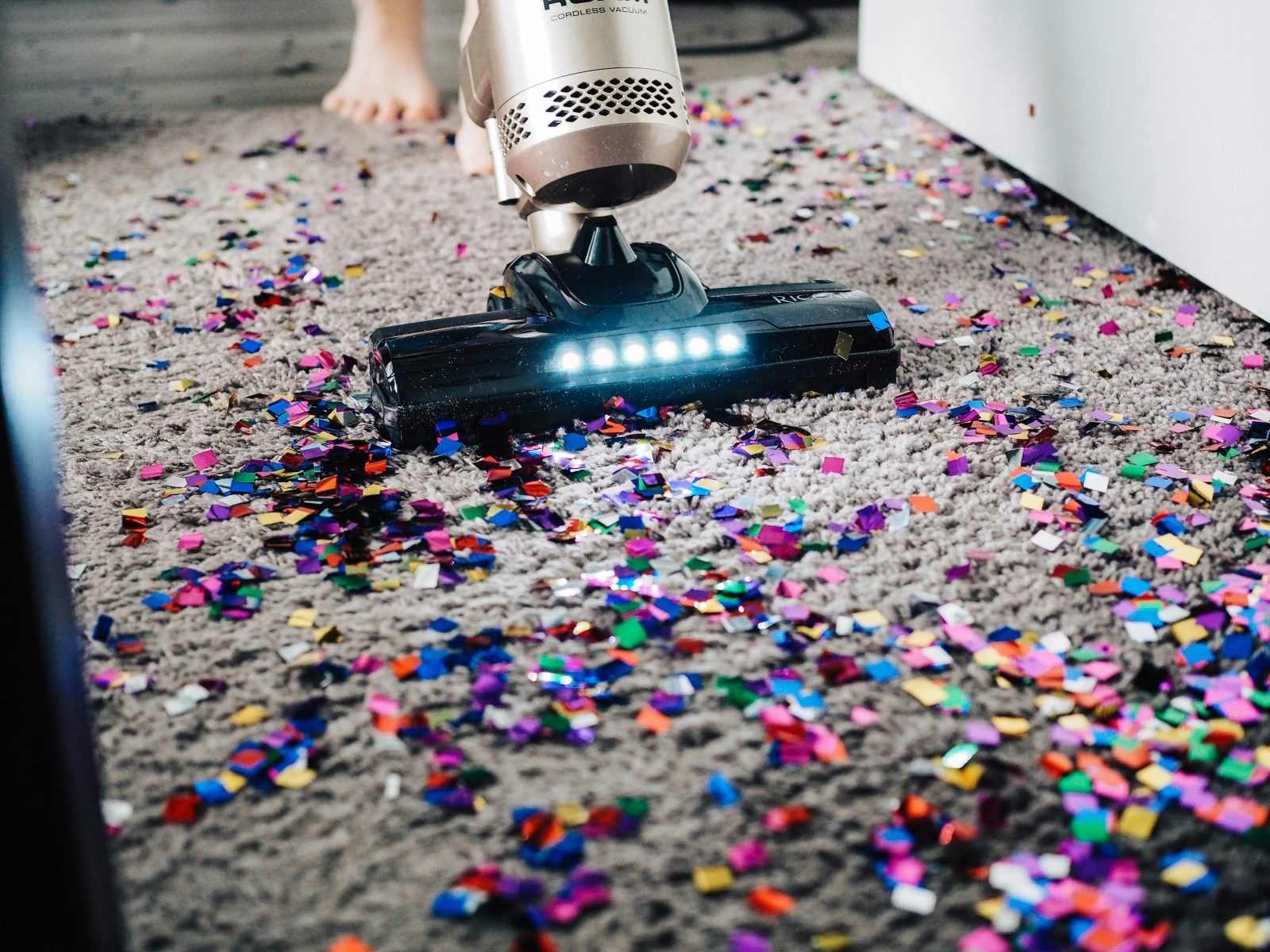
- Cordless Vacuums: Offer flexibility and ease of use in various areas of the home
These gadgets are designed to tackle specific cleaning tasks more effectively than traditional tools.
Ensure to maintain and clean the gadgets regularly to extend their lifespan and effectiveness.
Tips For Maintaining A Clean Home
Keeping your home clean involves regularly managing dust and maintaining clean floors.
These tasks are essential for a comfortable, healthy living environment.
Preventing Dust Build-Up
Regular dusting can significantly reduce the amount of dust in your home.
Use microfibre cloths and electrostatic dusters, which are more effective than traditional dusters.
Dust all surfaces, including shelves, light fittings, and electronics.
Clean air filters and vents frequently to ensure they trap as much dust as possible.
Consider using air purifiers, especially in rooms with high dust accumulation.
They help to remove dust particles from the air, reducing the need for frequent dusting.
Clutter contributes to dust build-up, so keep spaces tidy. Store items in closed cupboards or boxes.
Wash bedding, cushions and curtains regularly since fabrics accumulate dust.
Pet owners should groom pets frequently to reduce pet dander.
Keeping Floors Clean
Floors should be vacuumed and mopped regularly to remove dirt and allergens.
Use a vacuum cleaner with a HEPA filter to ensure effective cleaning.
Pay special attention to high-traffic areas where dust and dirt gather quickly.
Hard floors require different cleaning methods compared to carpets.
For hardwood or tile floors, using a damp mop with a suitable cleaner is recommended.
Carpets should be shampooed or steam-cleaned periodically to remove embedded dirt.
Encourage the use of doormats and remove shoes at the door to minimize dirt being tracked inside.
Regular floor maintenance not only prolongs the life of your flooring but also enhances the aesthetic appeal of your home.