

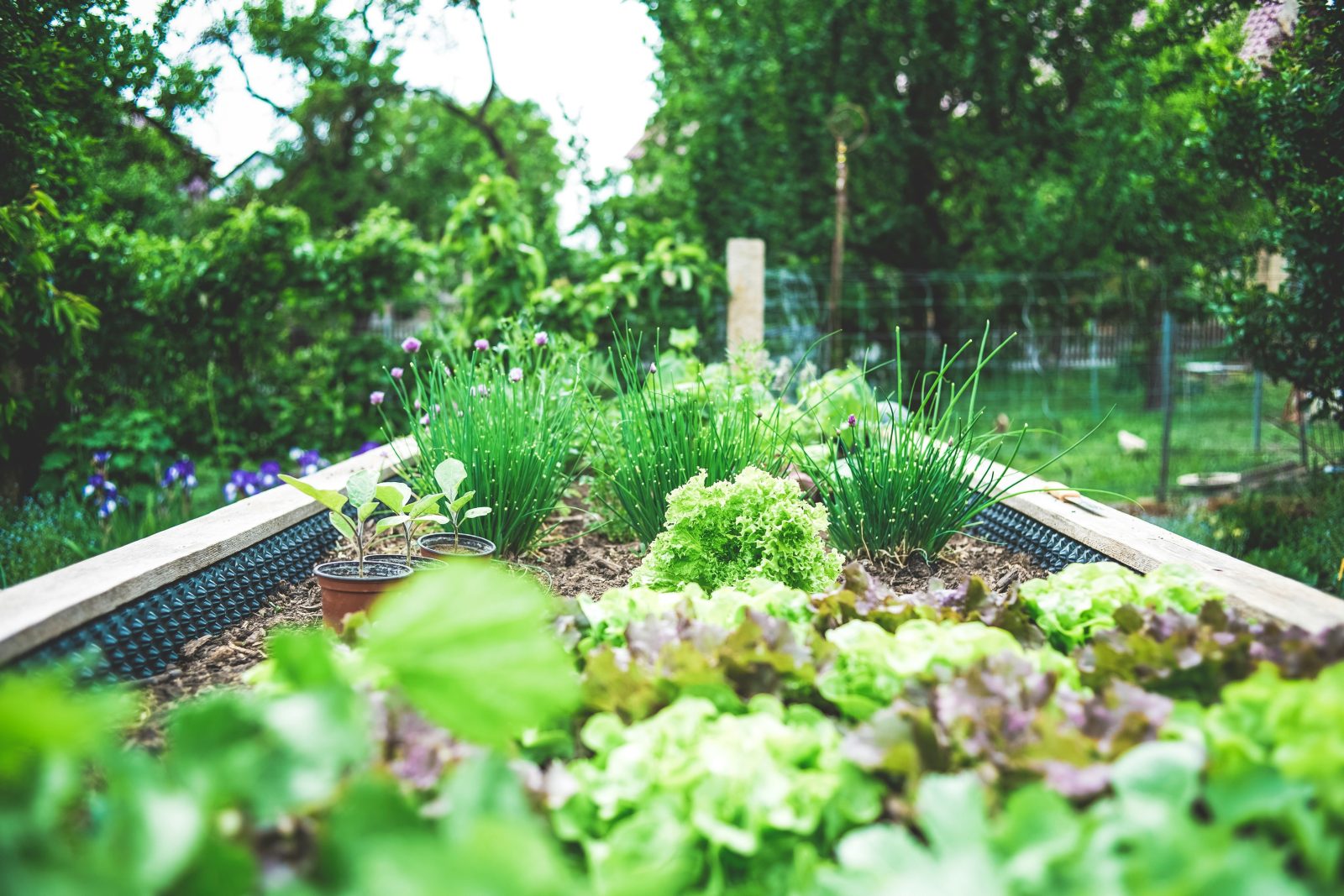

Autumn may be known as the season of harvest, but it is also an excellent time to sow and grow.
While summer brings an abundance of tomatoes, courgettes, and soft fruits, the cooler months offer their own rewards.
With the right planning, your garden can provide fresh, flavourful vegetables well into winter and beyond.
Here’s how to make the most of your vegetable patch this autumn.
1. Why Grow in Autumn?
Autumn conditions can be surprisingly favourable for growing vegetables. Cooler temperatures reduce the risk of pests, soils are still warm from summer, and rainfall is more reliable.
Many hardy crops thrive in these conditions, offering a steady supply of produce when supermarket prices rise and variety dwindles.
2. Best Vegetables to Grow in Autumn
Leafy Greens
-
Spinach – Fast-growing and hardy, spinach can be sown in September and picked within weeks.
-
Kale – Thrives in cooler weather and even tastes sweeter after a frost.
-
Winter lettuce – Varieties such as ‘Arctic King’ provide crisp leaves right through the season.
Root Vegetables
-
Carrots – Late sowings of hardy types can overwinter in the soil, ready for spring harvest.
-
Beetroot – Best picked young before the first hard frosts, offering both roots and edible leaves.
-
Turnips and swedes – Classic autumn staples, reliable and versatile in the kitchen.
Alliums
-
Garlic – Plant cloves in autumn for plump bulbs the following summer.
-
Onions and shallots – Overwintering varieties establish roots now and burst into growth in spring.
Broad Beans and Peas
Hardy varieties such as ‘Aquadulce Claudia’ (broad beans) or winter peas can be sown in late autumn, giving you a head start for early crops next year.
3. Preparing the Soil
Good preparation is the secret to success. Clear away spent summer plants and dig in organic matter such as compost or well-rotted manure. This improves soil structure, locks in nutrients, and helps retain moisture during dry spells. Adding a mulch can also protect seedlings from temperature fluctuations.
4. Protecting Young Plants
Autumn weather can be unpredictable, so protection is key. Use cloches, fleece, or cold frames to shield young plants from frost and heavy rain. Raised beds and containers are also effective, allowing for better drainage and easier control of growing conditions.
5. Harvesting Through Winter
Stagger sowings where possible to extend your harvest. Leafy greens can be picked regularly as cut-and-come-again crops, while root vegetables can often be left in the ground until needed. Always harvest before the soil freezes solid, as frozen ground makes lifting difficult.
6. Planning Ahead for Spring
Autumn sowing isn’t only about immediate harvests – it also sets the stage for spring. By planting garlic, onions, and broad beans now, you’ll ensure an early, robust crop when the new season begins. It’s a way of keeping your garden productive year-round.
Growing your own vegetables in autumn is both rewarding and practical. From nutrient-rich greens and hearty roots to flavourful alliums, there’s no shortage of crops that thrive in cooler weather.
With careful preparation and protection, your garden can continue to provide fresh, seasonal produce right through the colder months – proof that the growing season doesn’t have to end when summer does.