

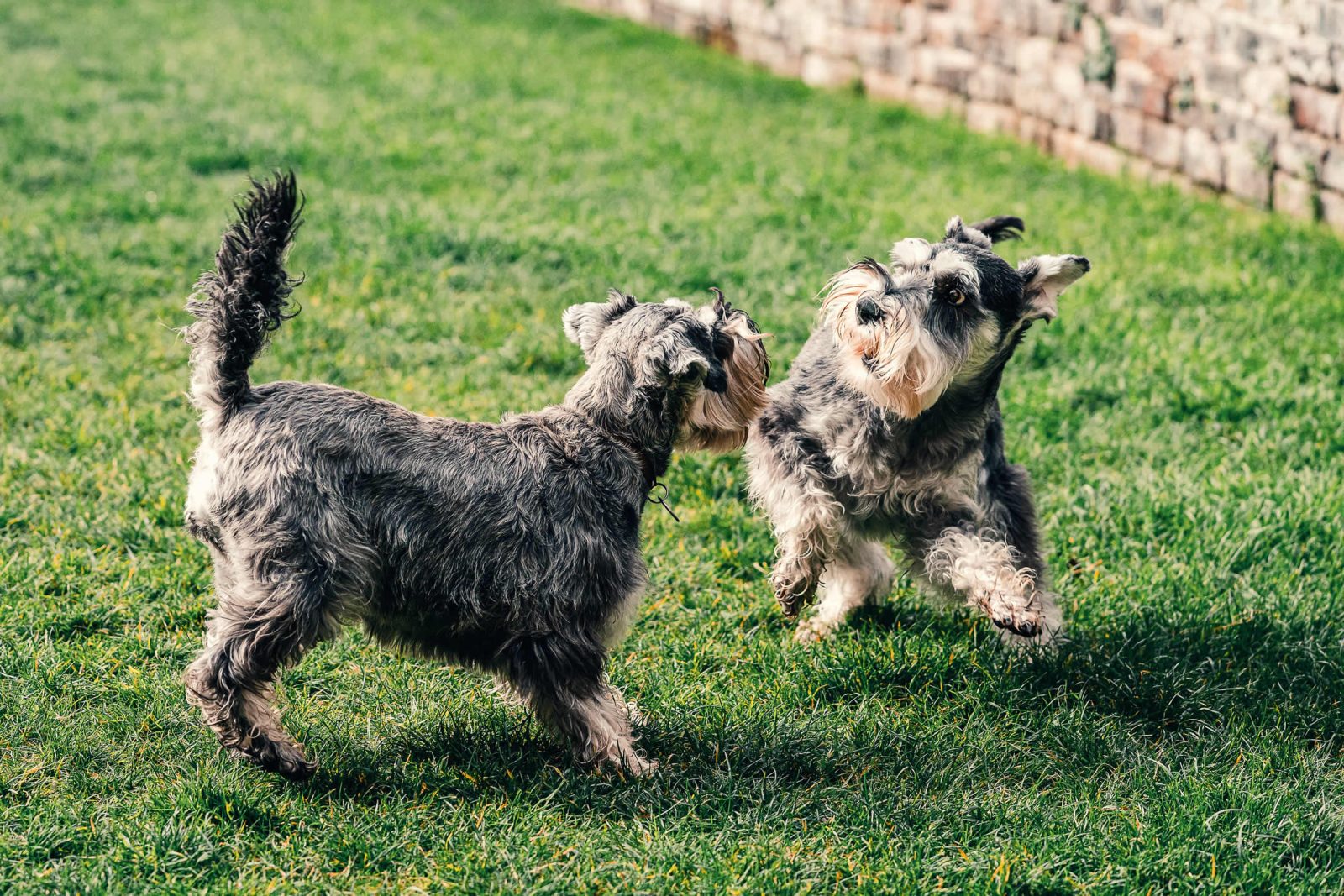

Designing a dog-friendly garden requires more than just planting pretty flowers and pruning shrubs. It involves creating a safe and comfortable environment for your furry friend to play, relax, and explore. With a little planning and creativity, you can design a garden that both you and your dog will love.
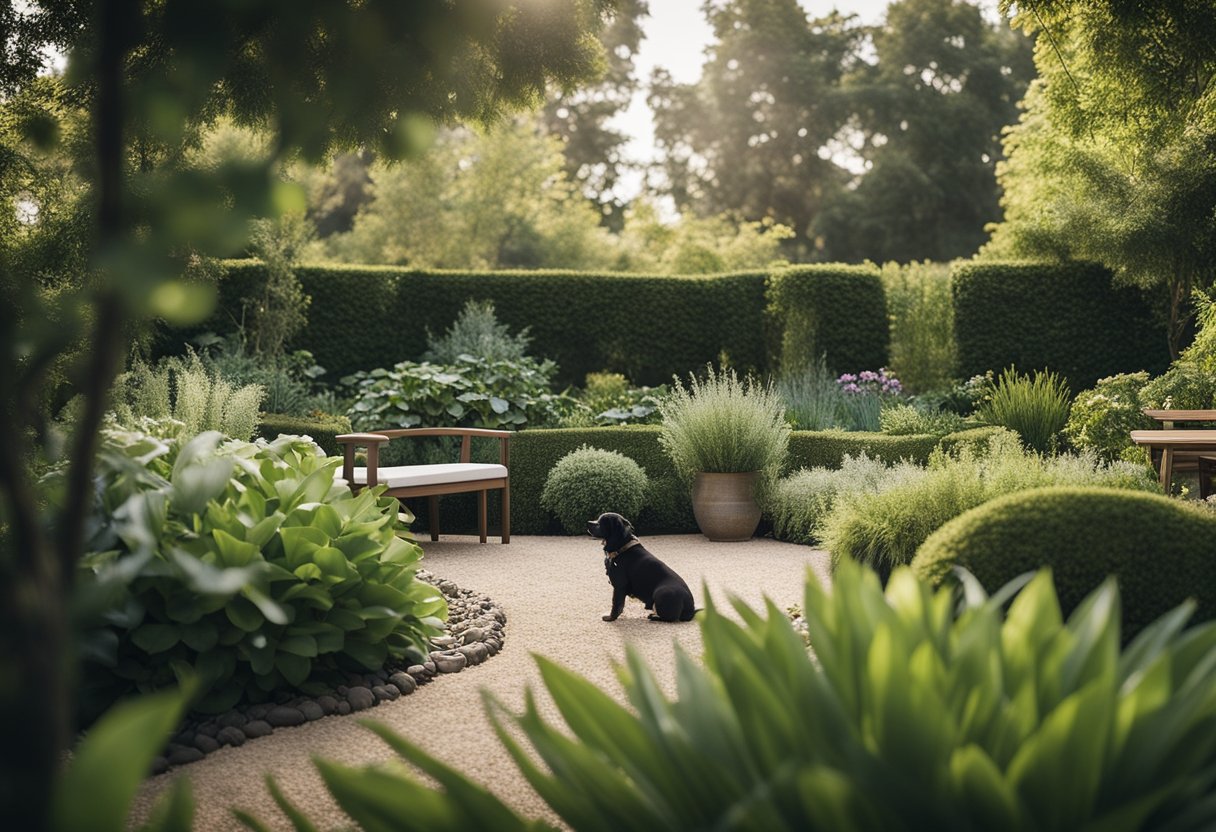
When designing a dog-friendly garden, it is important to consider your dog’s needs and preferences. Dogs love to run, jump, and play, so providing them with enough space to do so is crucial. You should also consider adding features such as a dog run, agility course, or play area to keep your dog entertained and active. Additionally, you’ll want to ensure that your garden is safe for your dog by avoiding toxic plants and chemicals, and providing adequate shade and shelter.
In this article, we will explore the essential elements of a dog-friendly garden and provide tips and ideas for designing your own. Whether you have a large backyard or a small balcony, there are plenty of ways to create a garden that both you and your furry friend will enjoy. So let’s get started!
Understanding Dog Behaviour
Dogs are curious and playful creatures, and they love spending time outdoors. However, it’s important to understand their behaviour when designing a dog-friendly garden. Here are some key factors to consider:
Safety First
When designing a garden for dogs, safety should be the top priority. Dogs love to explore and may get into things they shouldn’t, so it’s important to make sure the garden is secure. This can be achieved by installing a fence or hedge around the perimeter of the garden.
In addition, it’s important to avoid using toxic plants or chemicals in the garden. Dogs may be tempted to eat plants, and some common garden chemicals can be harmful to their health. It’s also a good idea to keep sharp objects, such as gardening tools, out of reach.
Space for Play
Dogs need plenty of space to run around and play, so it’s important to design a garden that allows for this. Consider leaving open areas of grass or creating a designated play area for your dog. You may also want to include some toys or agility equipment to keep your dog entertained.
It’s also important to consider the layout of the garden. Dogs may be less likely to use areas that are difficult to access or navigate, so make sure there is plenty of space for them to move around freely.
Toileting Areas
Dogs need a designated area for toileting, so it’s important to include this in your garden design. This can be achieved by creating a specific area of gravel or bark chips, or by training your dog to use a specific spot in the garden.
It’s important to keep the toileting area clean and well-maintained to prevent odours and bacteria from building up. Regularly removing any waste and washing down the area with a pet-friendly disinfectant can help to keep it hygienic.
By understanding your dog’s behaviour and needs, you can create a garden that is both safe and enjoyable for your furry friend.
Choosing the Right Plants
When designing a dog-friendly garden, it’s important to choose plants that are safe for your furry friend to be around. Here are some tips on selecting the right plants for your garden:
Non-Toxic Flora
Some plants can be toxic to dogs and can cause severe health problems if ingested. It’s essential to avoid planting these in your garden. Here are some examples of non-toxic plants that you can consider:
- Marigolds
- Sunflowers
- Roses
- Snapdragons
- Petunias
- Zinnias
Sturdy Vegetation
Dogs love to run and play, and they can easily damage delicate plants. Therefore, it’s essential to choose sturdy vegetation that can withstand your pet’s playful behavior. Here are some examples of robust plants that can withstand roughhousing:
- Boxwood
- Barberry
- Lavender
- Coneflower
- Yarrow
- Sage
By selecting the right plants, you can create a beautiful and safe garden that your furry friend can enjoy.
Garden Layout and Design
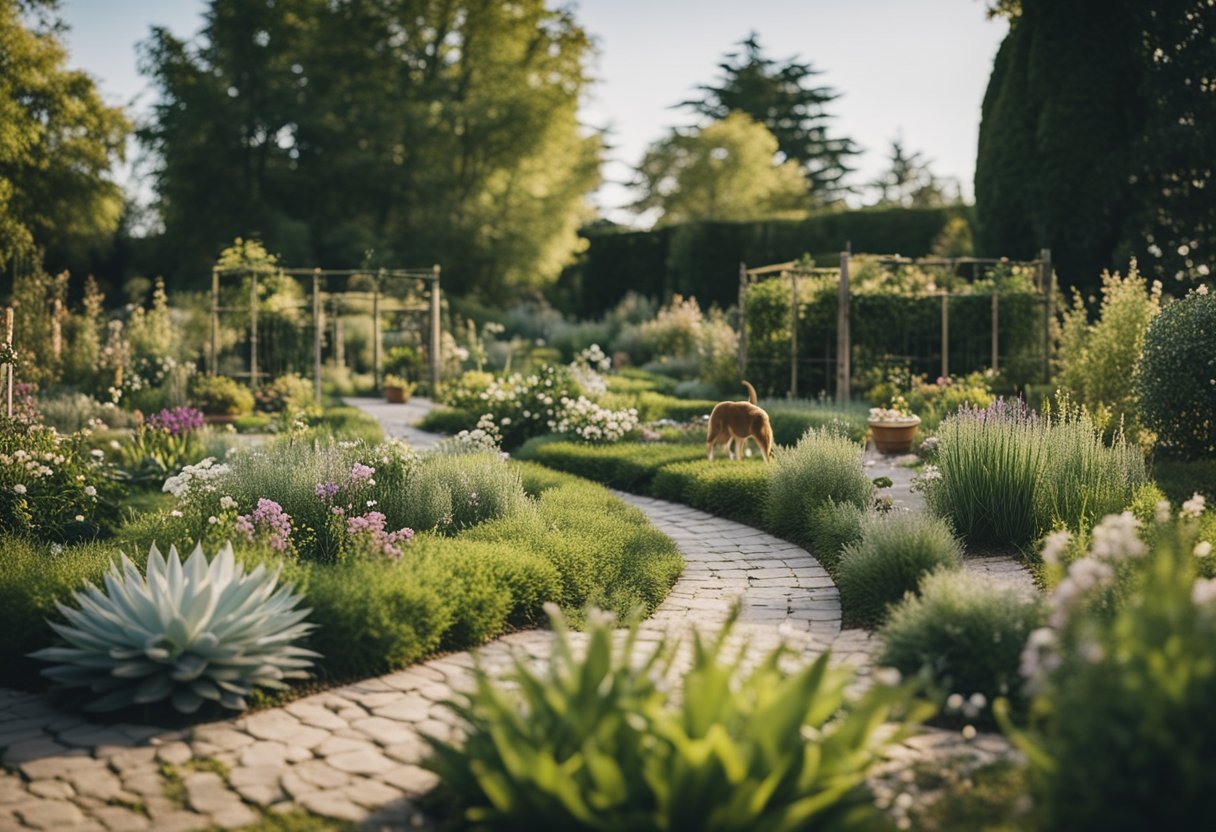
When designing a dog-friendly garden, it’s important to consider the layout and design of the space. Creating a well-designed garden can help to keep dogs safe and happy while also providing an attractive outdoor space for people to enjoy.
Paths and Borders
One key element of garden design is the creation of paths and borders. These can be used to guide dogs around the garden and create clear zones for different activities. For example, a path could lead from the back door to a designated toilet area, while a border could be used to mark out a play area.
It’s important to choose materials for paths and borders carefully. Materials that are too rough or sharp could hurt dogs’ paws, while those that are too slippery could be dangerous when wet. Consider using materials such as gravel, bark, or soft paving stones to create safe and comfortable surfaces for dogs to walk on.
Zoning the Garden
Another important aspect of garden design is zoning. This involves dividing the garden into different areas for different activities. For example, you might create a play area, a toilet area, and a relaxation area.
When zoning the garden, it’s important to consider the needs of both dogs and humans. Dogs will need space to run and play, while humans will want a space to relax and enjoy the garden. Consider using fencing or hedging to create separate zones, and use planting and other features to create interest and variety within each zone.
Overall, careful planning and thoughtful design are key to creating a dog-friendly garden. By considering the needs of both dogs and humans, and using appropriate materials and zoning techniques, it’s possible to create a safe and enjoyable outdoor space for everyone to enjoy.
Fencing and Security
Secure Boundaries
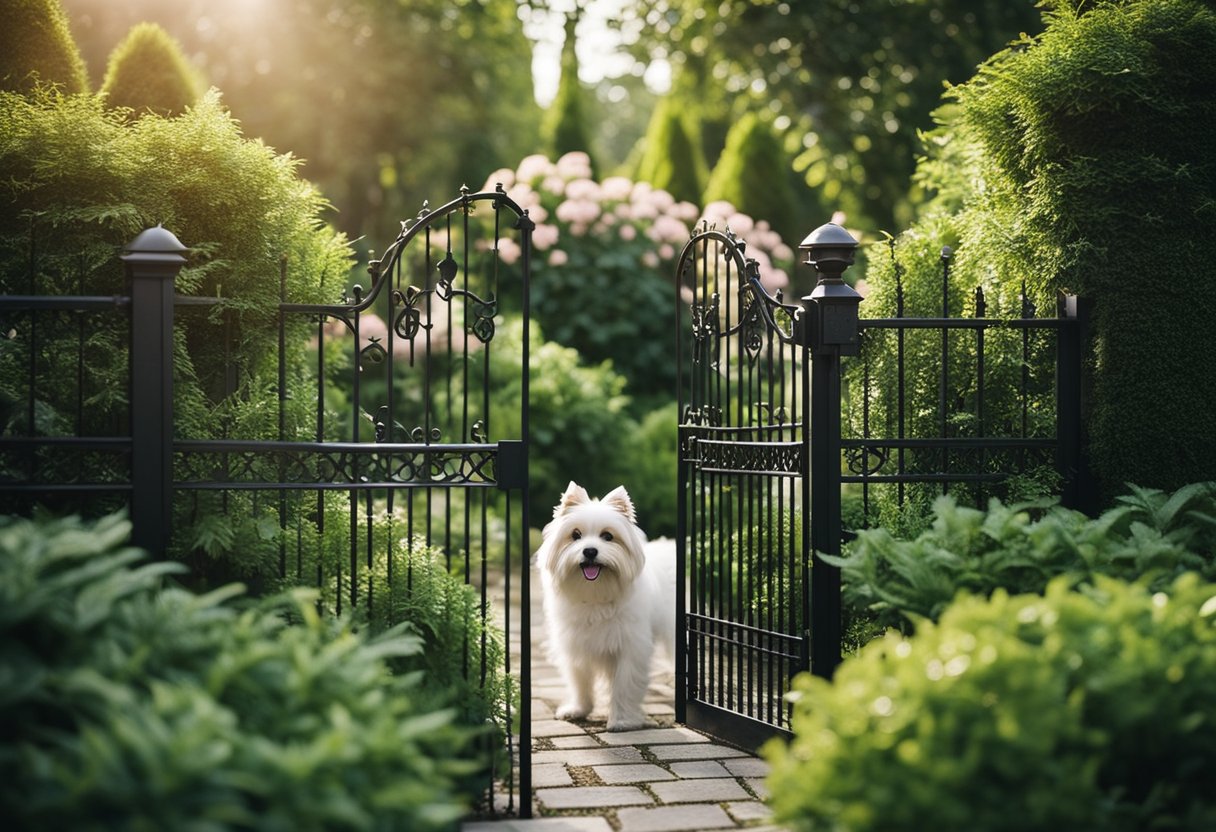
When designing a dog-friendly garden, it is crucial to ensure that the boundaries are secure. A sturdy fence or wall is necessary to keep your dog safe and prevent them from escaping. The fence should be at least 6 feet high and made of a material that your dog cannot easily jump over or dig under.
If you have a smaller dog, ensure that the gaps in the fence or wall are not large enough for them to squeeze through. It is also important to check for any gaps or holes in the fence regularly and repair them promptly.
Escape-Proofing Tips
In addition to a secure fence, there are several other measures you can take to make your garden escape-proof. One option is to install a dog run or pen within the garden. This area should be secure and large enough for your dog to move around comfortably.
Another option is to use landscaping to create a natural barrier. For example, planting prickly bushes or thorny shrubs along the boundary of the garden can deter your dog from attempting to escape. Additionally, using raised beds or planters can create physical barriers that your dog cannot easily climb over.
Finally, ensure that all gates and entrances to the garden are secure. Use a latch or lock that your dog cannot easily open, and consider installing a self-closing mechanism to prevent any accidental escapes.
By taking these measures, you can create a safe and secure garden that both you and your dog can enjoy.
Maintenance and Upkeep
Regular Garden Care
Maintaining a dog-friendly garden requires regular upkeep to keep it looking neat and tidy. Regular garden care includes mowing the lawn, pruning shrubs and trees, and weeding flower beds. It is important to keep the garden clean and free from debris, as dogs are prone to chewing and digging.
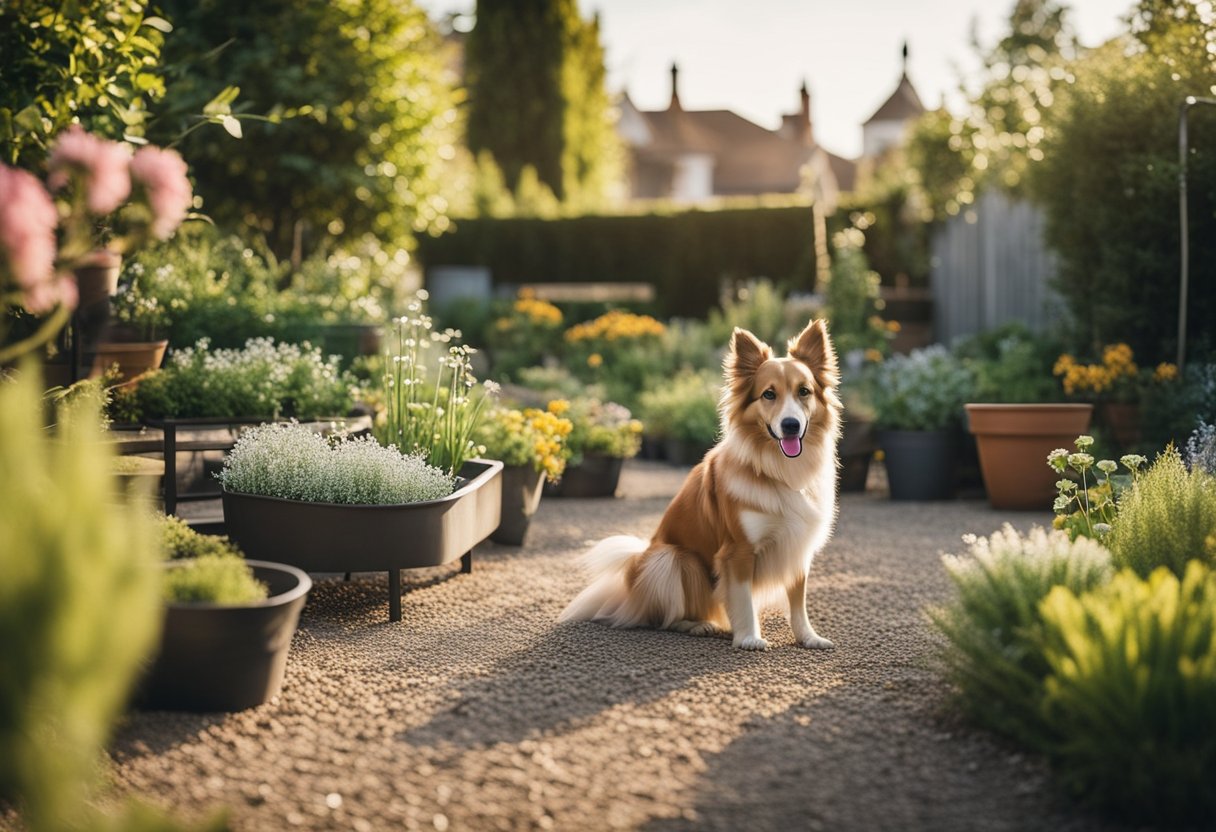
To prevent dogs from digging up plants, consider using raised garden beds or planting in containers. This will also help to keep the garden organised and prevent plants from spreading too much. Regularly check for any signs of damage or wear and tear, and replace any damaged items as soon as possible.
Dog-Friendly Accessories
Adding dog-friendly accessories to a garden can help to make it more enjoyable for both dogs and their owners. Consider installing a dog house, a water fountain, or a dog run. These accessories can provide dogs with a comfortable space to relax and play, while also keeping them safe and secure.
When choosing accessories, it is important to consider the size and breed of the dog. For example, a small dog may prefer a smaller dog house, while a larger dog may need a bigger one. It is also important to choose accessories that are durable and easy to clean, as dogs can be messy.
Regular cleaning and maintenance of dog-friendly accessories is also important. This includes cleaning dog houses, washing water fountains, and replacing any worn or damaged items. By regularly maintaining the garden and its accessories, owners can ensure that their dog-friendly garden remains a safe and enjoyable space for their furry friends.