


Spring is the perfect time to begin growing your own vegetables.
As the soil warms and daylight increases, gardens come to life, offering ideal conditions for sowing, planting and nurturing crops that will reward you in the months ahead.
Whether you’re an experienced gardener or trying your hand at growing for the first time, spring provides a fresh opportunity to cultivate healthy, home-grown produce.
Choosing the Right Vegetables for Spring
One of the keys to successful vegetable growing is selecting crops suited to early-season conditions. Many vegetables thrive in cooler temperatures and can be sown or planted as soon as the risk of hard frost has passed.
Leafy greens such as lettuce, spinach and rocket are excellent spring choices, growing quickly and providing regular harvests.
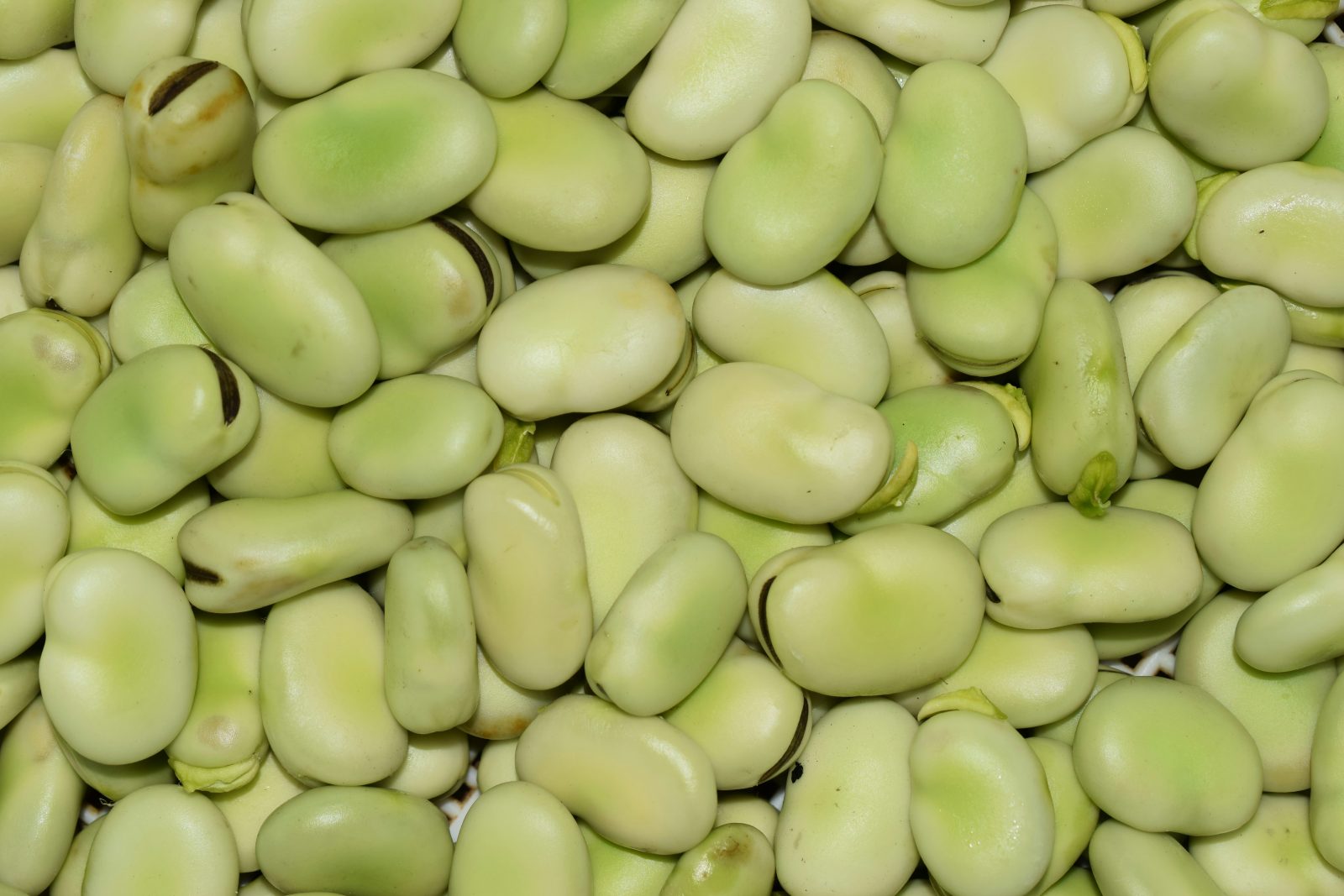
Root vegetables including carrots, beetroot and radishes also perform well when sown directly into prepared soil. For those with a little more patience, peas and broad beans are ideal spring crops that benefit from cooler weather during early growth.
Preparing the Soil for Success
Healthy soil is essential for productive vegetable growing. Before planting, clear any weeds or debris from your vegetable beds and loosen the soil to improve drainage and root development.
Incorporating compost or well-rotted organic matter boosts soil fertility and structure, providing nutrients that vegetables need to grow strong and flavourful. Taking time to prepare your soil properly in spring sets the foundation for a productive growing season.
Sowing Seeds and Planting Seedlings
Spring is a time of both direct sowing and planting out young plants. Hardy vegetables can often be sown straight into the ground, while more tender crops benefit from being started indoors or under cover.
When sowing seeds, follow spacing and depth guidelines carefully to avoid overcrowding. For seedlings, gradually harden them off by exposing them to outdoor conditions over several days before planting. This helps reduce shock and encourages healthier growth once they’re in the ground.
Making the Most of Small Spaces
You don’t need a large garden to grow vegetables. Raised beds, containers and even window boxes can all be productive growing spaces. Crops such as salad leaves, herbs, tomatoes and chillies adapt well to pots and planters, making them ideal for patios and balconies.
Vertical growing techniques, such as using supports for peas or beans, help maximise space while improving air circulation and ease of harvesting.
Watering and Early Care
Consistent watering is especially important in spring, as young plants establish their roots. Water little and often, aiming to keep the soil moist but not waterlogged. Early morning watering helps plants absorb moisture before temperatures rise.
Keep an eye out for pests such as slugs and aphids, which become active as the weather warms. Regular checks allow you to address problems early, protecting tender new growth.
Feeding and Encouraging Growth
As vegetables grow, they benefit from regular feeding. Organic liquid feeds or natural fertilisers help support steady development without overwhelming young plants. Mulching around plants helps retain moisture, suppress weeds and regulate soil temperature.
Providing supports for climbing plants early prevents damage later and keeps growth organised and healthy.
Enjoying the Rewards
One of the greatest pleasures of growing vegetables is harvesting your own produce. Spring crops often mature quickly, offering fresh flavours that far surpass shop-bought alternatives. Regular harvesting also encourages plants to continue producing, extending your growing season.
Growing vegetables in your garden this spring is both rewarding and practical. With thoughtful planning, well-prepared soil and consistent care, you can enjoy a productive garden that delivers fresh, seasonal produce while connecting you more closely with nature and the rhythms of the year.