

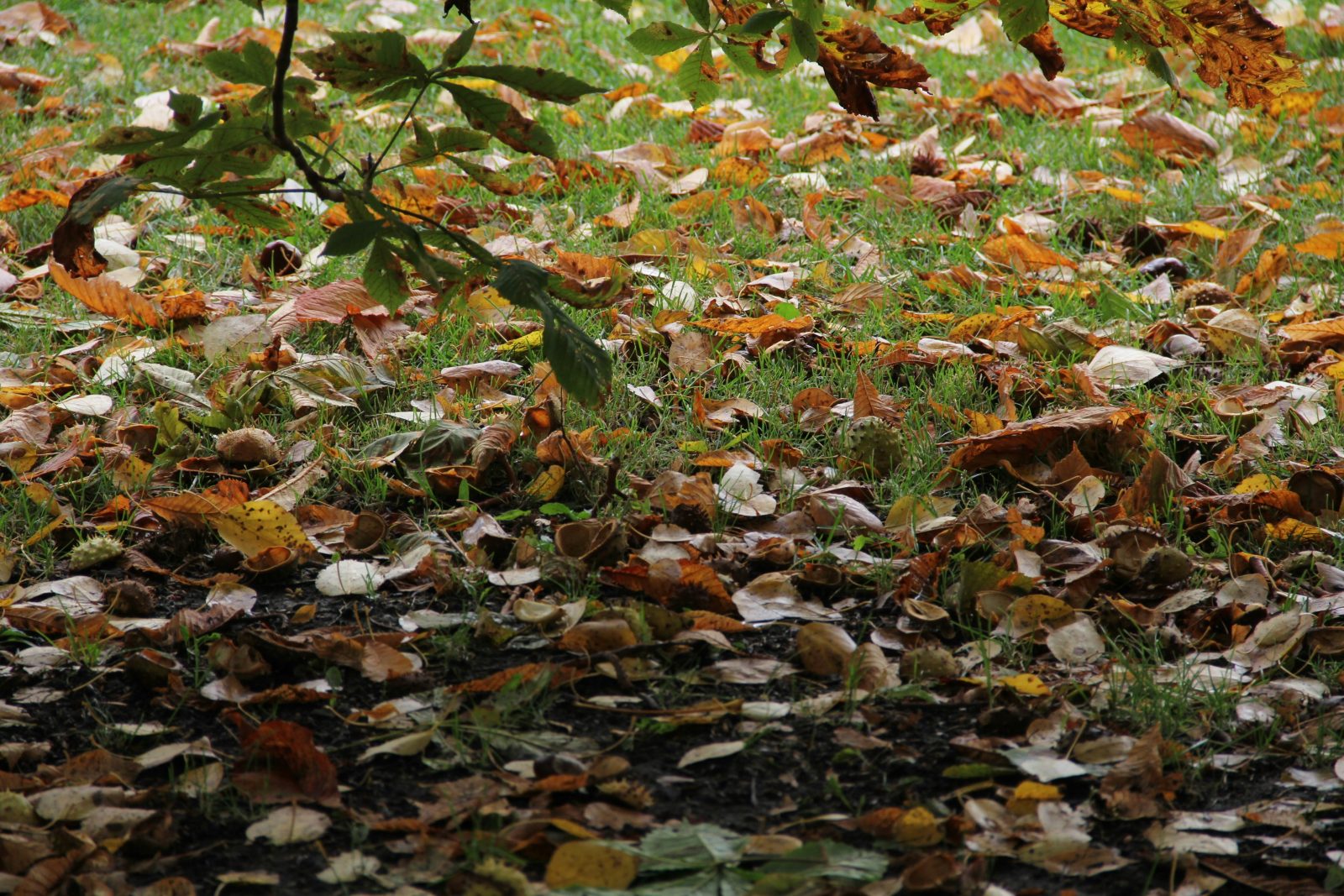

As summer fades and the days grow shorter, the garden undergoes a natural shift. Autumn is not only a time of vibrant foliage and harvests but also a season for preparation.
The steps you take now will protect your garden through the colder months and set the stage for a flourishing spring. With a little planning and care, you can ensure your outdoor space remains both beautiful and resilient.
1. Clear Away Summer Growth
Start by tidying up the remnants of summer. Remove spent annuals, cut back perennials that have finished flowering, and clear fallen leaves from lawns and borders.
This reduces the risk of pests and disease while keeping your garden looking neat. Don’t forget to compost healthy plant material – it will enrich your soil for the coming year.
2. Lawn Care for Colder Days
Autumn is the ideal time to give your lawn some attention. Rake away moss and thatch, aerate compacted soil, and apply an autumn lawn feed rich in potassium to strengthen the grass before winter. If you have bare patches, overseeding now will allow new grass to establish before frost sets in.
3. Plant for Spring Colour
Autumn is bulb-planting season. Daffodils, tulips, crocuses, and hyacinths all thrive when planted in cooler soil, ready to burst into bloom come spring. For maximum impact, plant in generous clusters rather than scattering sparsely – the effect will be far more striking after the winter months.
4. Protect Tender Plants
Frost-sensitive plants need extra care as temperatures drop. Move pots of geraniums, begonias, and other tender species into a greenhouse, conservatory, or sheltered spot. For those left outdoors, use fleece, cloches, or mulch to provide a protective layer against the cold.
5. Mulch and Feed the Soil
Autumn is the perfect time to improve soil health. Apply a thick layer of mulch or well-rotted compost to borders and around the base of shrubs. This locks in moisture, suppresses weeds, and enriches the soil with nutrients ready for the growing season ahead.
6. Prune Trees and Shrubs
Once leaves have fallen, it’s easier to see the structure of trees and shrubs. Prune back dead, diseased, or crossing branches to promote healthy growth and reduce wind damage over winter. Avoid heavy pruning of spring-flowering shrubs at this stage, as you risk cutting away next year’s buds.
7. Harvest and Store
Many crops reach their peak in early autumn. Harvest apples, pears, squashes, and root vegetables promptly to enjoy at their best. Store them correctly – in cool, dry conditions – to extend their life.
Herbs such as mint, thyme, and rosemary can also be dried or frozen for use in the kitchen throughout winter.
8. Prepare Wildlife Havens
As gardens quieten down, they become vital refuges for wildlife. Leave seed heads on some plants for birds, create log piles for insects, and ensure ponds are clear of debris.
Adding a bird feeder or bird bath can provide essential support during colder months while bringing life and movement to your garden
Preparing your garden for autumn is as much about looking ahead as it is about tidying up.
By caring for your lawn, planting bulbs, protecting tender plants, and supporting wildlife, you’ll ensure your outdoor space weathers the winter and bursts back into life when spring arrives.
A little effort now will reward you with a healthy, vibrant garden that continues to bring joy through every season.