

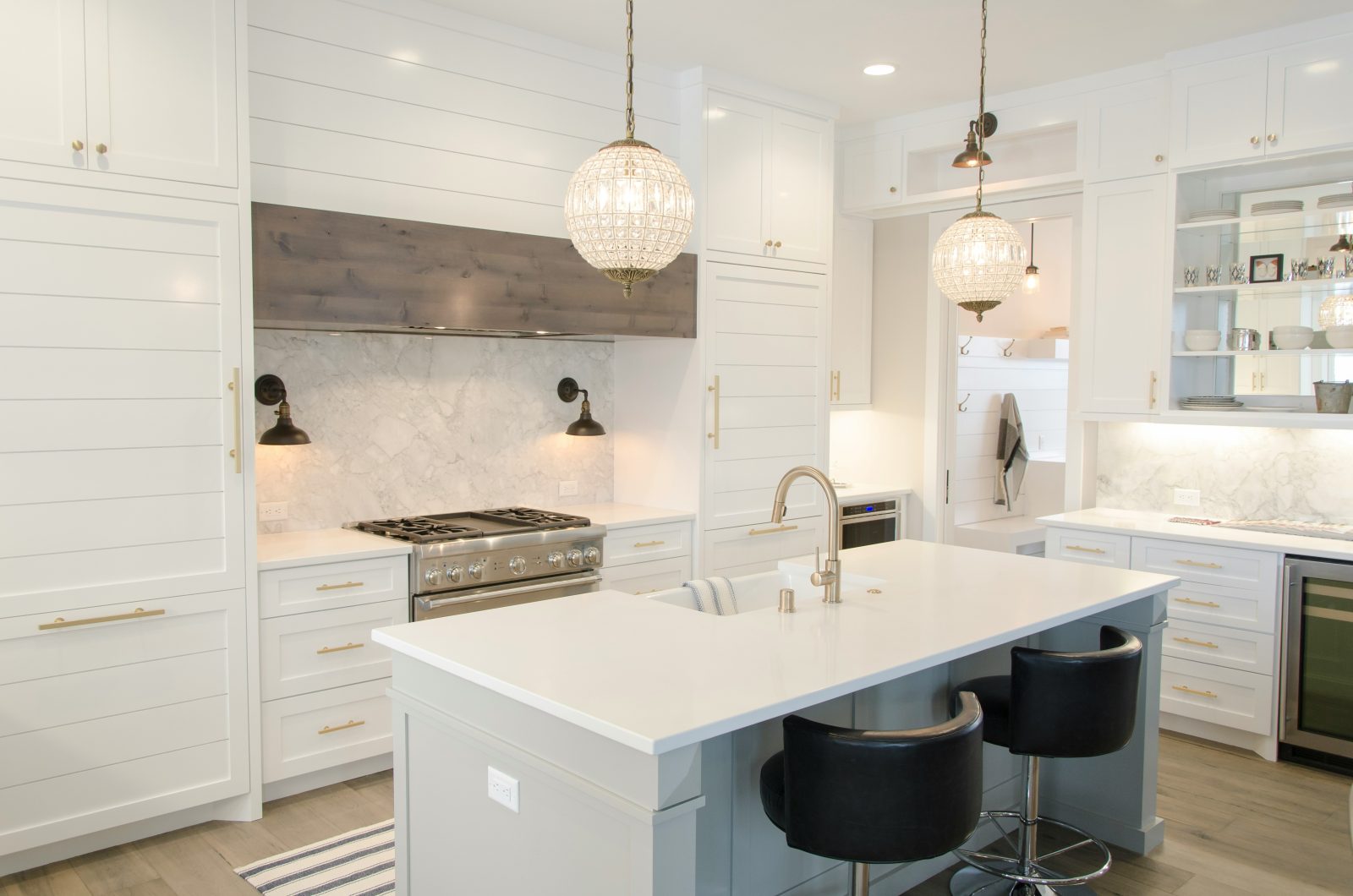

Minimalism is more than just a design trend; it’s a lifestyle that prioritises simplicity, functionality, and calm.
When it comes to kitchens, a minimalist approach can create a stunningly stylish and highly practical space.
Whether designing a new kitchen or refreshing your current one, here are some minimalistic kitchen decor ideas to inspire you.
1. Stick to a Neutral Colour Palette
Minimalist kitchens thrive on neutral tones like white, grey, beige, or soft pastels.
These colours create a sense of openness and tranquillity, making the space feel clean and uncluttered.
For contrast, incorporate subtle accents such as black or matte metallic finishes for handles, fixtures, or lighting.
Tip:
Opt for a monochromatic scheme to keep the aesthetic cohesive.
For example, pairing white cabinets with light grey countertops creates a seamless and elegant look.
2. Declutter and Simplify
The foundation of minimalism is eliminating unnecessary clutter.
In the kitchen, this means keeping countertops clear and storing away items that aren’t used daily.
Open shelves can be a stylish option for displaying a few select items, such as neatly arranged plates or glassware, but avoid overcrowding them.
Tip:
Adopt the “less is more” mindset by only keeping essential tools and decor. Donate or store items you rarely use.
3. Choose Streamlined Cabinets and Hardware
Minimalist kitchens often feature flat-panel or handle-less cabinets that provide a sleek, uninterrupted look.
If handles are preferred, choose simple, understated designs in materials like brushed nickel or black matte to maintain the minimalist aesthetic.
Tip:
Soft-close cabinet mechanisms not only enhance functionality but also contribute to a sense of calm by eliminating noise.
4. Incorporate Natural Materials
Adding natural textures such as wood, stone, or bamboo can bring warmth to a minimalist kitchen.
Consider wooden countertops, marble splashbacks, or rattan bar stools to soften the overall look while maintaining simplicity.
Tip:
Choose sustainably sourced materials to align your minimalist design with eco-friendly values.
5. Embrace Smart Storage Solutions
A minimalist kitchen needs clever storage to keep clutter hidden.
Pull-out drawers, corner carousel units, and built-in organisers can maximise storage space while maintaining a clean appearance.
Opt for cabinets that extend to the ceiling to make the most of vertical space.
Tip:
Labelling jars and containers keeps your pantry looking tidy and organised, contributing to the minimalist vibe.
6. Invest in Quality Over Quantity
Minimalism encourages a focus on quality items that are built to last.
This applies to both decor and appliances.
High-quality finishes, such as quartz countertops or stainless steel appliances, not only enhance the look but also ensure durability.
Tip:
Choose multi-functional appliances to save space without sacrificing functionality.
7. Use Lighting as a Feature
Lighting plays a key role in minimalist design.
Pendant lights, recessed LED strips, or under-cabinet lighting can add character while maintaining simplicity.
Opt for fixtures with clean lines and neutral colours.
Tip:
Maximise natural light by using sheer or no window coverings.
Reflective surfaces like glossy cabinets or a glass splashback can also help brighten the space.
8. Add Subtle Decor Accents
While minimalism leans towards simplicity, adding a few carefully chosen decor pieces can give your kitchen personality.
A vase of fresh flowers, a bowl of fruit, or a single piece of art can serve as focal points without overwhelming the space.
Tip:
Stick to a unified colour scheme or natural materials for your decorative elements to keep everything cohesive.
9. Focus on Functionality
A minimalist kitchen is as much about how it works as how it looks.
Plan your layout with functionality in mind, ensuring that everything has its place and is easily accessible.
An efficient workflow—often referred to as the “kitchen triangle”—between the sink, stove, and refrigerator is key.
Tip:
Consider open-plan layouts that connect your kitchen with the dining or living area, enhancing the sense of space and flow.
10. Introduce Greenery
A touch of greenery can breathe life into a minimalist kitchen.
Small potted plants, a herb garden on the windowsill, or hanging planters add a fresh, natural element to the space.
Tip:
Choose low-maintenance plants like succulents or herbs such as basil and mint, which are both decorative and practical.
Final Thoughts
A minimalistic kitchen is more than just a design choice; it’s a commitment to a simpler, more intentional way of living.
By focusing on clean lines, neutral colours, and smart functionality, you can create a space that’s both beautiful and practical.
Remember, minimalism isn’t about eliminating everything but rather curating what truly adds value to your space and life.
Ready to transform your kitchen? Start small and enjoy the calming, stylish results that minimalism can bring to your home.