



When it comes to creating a home cinema, there are a lot of things to consider before jumping in. A home cinema can be a great addition to any home, providing a comfortable and immersive movie-watching experience. However, it’s important to take the time to plan and consider all aspects of the setup before making any purchases.
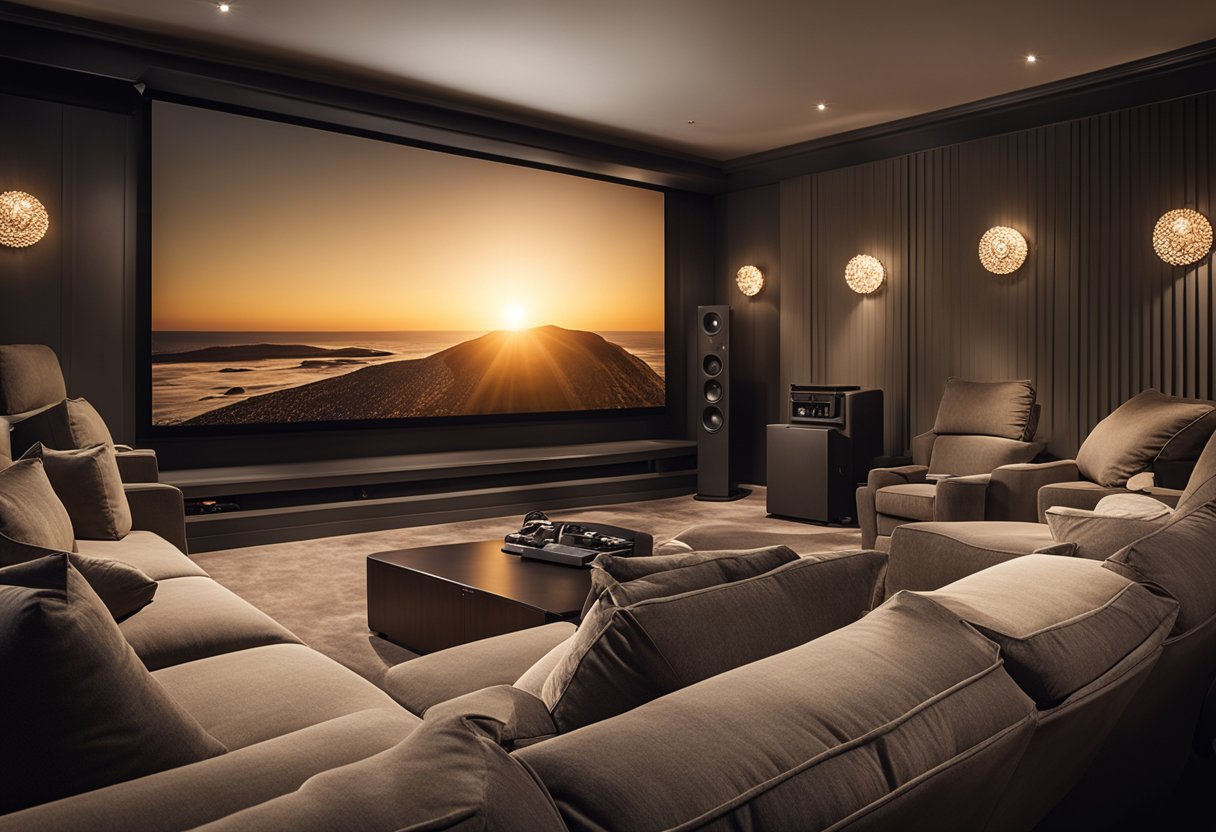
One of the first things to consider is the room itself. The ideal room for a home cinema should be a dedicated space that is free from outside light and noise. This can be achieved by choosing a room with few windows or investing in blackout curtains. It’s also important to consider the acoustics of the room, as sound quality is a crucial aspect of any home cinema setup. Carpeted floors, acoustic panels, and soundproofing materials can all help to create a more immersive audio experience.
Another important factor to consider is the equipment itself. From projectors to screens to sound systems, there are a lot of options to choose from. It’s important to research and compare different models to find the best fit for your budget and needs. Additionally, it’s important to consider the layout and placement of the equipment within the room to ensure optimal viewing and listening experiences. By taking the time to plan and consider all aspects of the setup, creating a home cinema can be a fun and rewarding project.
Room Layout
When planning a home cinema, one of the most important factors to consider is the room layout. The layout of the room will determine the placement of the screen, seating arrangements, and speaker positioning.
Screen Placement
The screen should be placed in a position that provides the best viewing experience for everyone in the room. It should be placed at a height that is comfortable to view and not too high or too low. The distance between the screen and the seating area should also be considered. A good rule of thumb is to place the screen at a distance that is three times the width of the screen.
Seating Arrangements
The seating arrangements should be planned to ensure that everyone in the room has a clear view of the screen. The seats should be arranged in a way that allows for comfortable viewing and easy access to the room. If the room is small, then a single row of seating may be sufficient. However, if the room is large, then multiple rows of seating may be needed.
Speaker Positioning
The positioning of the speakers is also important in creating an immersive home cinema experience. The speakers should be placed in a way that provides balanced sound throughout the room. The front speakers should be placed at ear level and equidistant from the screen. The rear speakers should be placed behind the seating area and at an angle that directs the sound towards the viewers.
In summary, when planning a home cinema, the room layout should be carefully considered to ensure that the screen, seating arrangements, and speaker positioning provide the best viewing experience for everyone in the room.
Visual Components
When it comes to creating a home cinema, the visual components are perhaps the most important aspect to consider. Here are some key factors to keep in mind:
Projector vs TV
One of the first decisions to make is whether to use a projector or a TV as the main display. Projectors tend to offer a larger screen size at a lower cost, but may require a darker room and regular maintenance. TVs, on the other hand, have a brighter display and require less maintenance, but can be more expensive for larger screen sizes.
Screen Size and Resolution
The screen size and resolution are also important factors to consider. A larger screen size can provide a more immersive experience, but may require a larger room or seating area. The resolution of the display should also be taken into account, with higher resolutions offering sharper and more detailed images.
Aspect Ratio
The aspect ratio of the display is another important consideration. The most common aspect ratios are 16:9 and 2.35:1, with the former being more suited to TV shows and the latter to movies. It’s important to choose a display with an aspect ratio that matches the content being viewed, to avoid black bars or distortion.
Overall, when planning a home cinema, it’s important to carefully consider the visual components to ensure a high-quality viewing experience.
Audio Setup
When it comes to creating a home cinema, audio setup is as important as video setup. The right audio setup can make or break the cinema experience. In this section, we will discuss the different aspects of audio setup that one should consider while planning a home cinema.
Sound System Types
There are different types of sound systems available in the market, each with its own pros and cons. The most common types are:
- Soundbars: These are compact and easy to install. They offer better sound than the built-in speakers of a TV, but they are not as powerful as other sound systems.
- AV Receivers and Speakers: AV receivers are the central hub that connects all the audio and video components of a home cinema. They are usually paired with speakers that offer a more immersive audio experience.
- Home Theatre in a Box: These are all-in-one systems that come with an AV receiver, speakers, and sometimes a Blu-ray player. They are easy to set up but may not offer the best sound quality.
When choosing a sound system, one should consider factors such as room size, budget, and personal preferences.
Acoustic Treatment
Acoustic treatment is the process of improving the sound quality of a room by reducing unwanted reflections and echoes. This can be achieved by adding sound-absorbing materials such as curtains, carpets, and acoustic panels to the room.
Acoustic treatment is important because it can greatly improve the clarity and quality of the audio. Without it, the sound can become muddled and distorted.
Audio Calibration
Audio calibration is the process of adjusting the sound system to suit the acoustics of the room. This involves setting the correct levels for the speakers, adjusting the equalizer, and configuring the surround sound settings.
Audio calibration can be done manually or with the help of an automatic calibration system. It is important to calibrate the audio to get the best possible sound quality.
In conclusion, choosing the right sound system, adding acoustic treatment, and calibrating the audio are important factors to consider when planning a home cinema.
Lighting and Ambience
Ambient Light Control
When planning a home cinema, lighting is an important consideration. Ambient light can cause glare on the screen, which can affect the viewing experience. Therefore, it is important to have control over the ambient light in the room.
One option is to install blackout curtains or blinds to block out natural light. Another option is to use dimmer switches or smart lighting systems to adjust the brightness of the room. It is also important to consider the placement of light fixtures to avoid direct light on the screen.
Decorative Elements
The ambience of the room can also affect the viewing experience. Consider adding decorative elements such as wall sconces or LED strip lights to create a cinematic atmosphere. These elements can also be used to highlight architectural features or artwork in the room.
When choosing decorative lighting, it is important to consider the colour temperature of the bulbs. Warm white bulbs can create a cosy atmosphere, while cool white bulbs can create a more modern feel. It is also important to ensure that the lighting is not too bright or distracting during the movie.
Overall, lighting and ambience are important factors to consider when planning a home cinema. By controlling ambient light and adding decorative elements, you can create a comfortable and immersive viewing experience.
Technical Considerations
Power Supply and Wiring
When planning a home cinema, it is essential to consider the power supply and wiring requirements. The first step is to identify the power requirements of all the components in the home cinema setup. This includes the projector, speakers, amplifier, and other devices. Once the power requirements are identified, it is crucial to ensure that the electrical circuit can handle the load.
It is recommended to use a dedicated electrical circuit for the home cinema setup to prevent overloading and potential damage to the components. Additionally, the wiring should be done professionally to ensure safety and proper functioning of the system.
Connectivity Options
Another critical technical consideration is connectivity options. The home cinema setup should have multiple connectivity options to accommodate various devices such as Blu-ray players, gaming consoles, and streaming devices. The most common connectivity options include HDMI, optical, and RCA.
It is essential to ensure that the home cinema components are compatible with the chosen connectivity options. For example, if the projector only has an HDMI input, the other components should also have HDMI output to ensure seamless connectivity.
In conclusion, when planning a home cinema setup, it is crucial to consider the power supply and wiring requirements and the connectivity options. Proper planning and installation of these technical considerations will ensure a high-quality home cinema experience.