

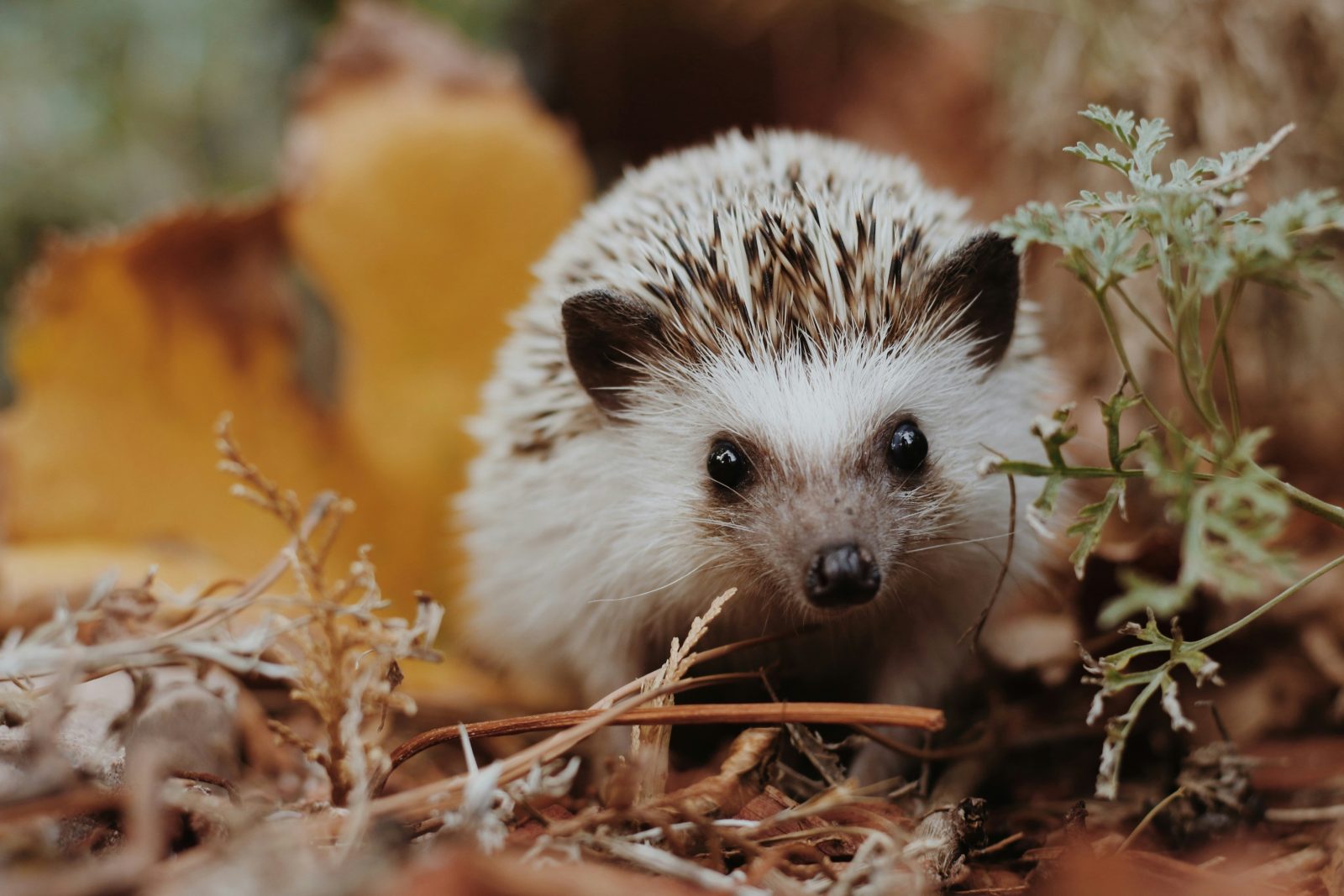

A garden is more than an outdoor space — it’s a potential sanctuary for wildlife.
With habitats under increasing pressure, even small gardens can play a vital role in supporting birds, insects, mammals and amphibians.
The good news? Encouraging wildlife doesn’t require acres of land or expensive landscaping. With a few thoughtful choices, your garden can become a thriving ecosystem all year round.
Here are practical, effective tips to help you support wildlife in your home garden.
Plant for Wildlife, Not Perfection
A wildlife-friendly garden starts with plants. Native species are particularly valuable, as local wildlife has evolved alongside them and relies on them for food and shelter.
Aim for a mix of:
-
Flowering plants for nectar and pollen
-
Shrubs and hedges for nesting and protection
-
Trees, even smaller varieties, for long-term habitat
Avoid overly manicured planting schemes. Letting parts of your garden grow naturally provides seeds, berries and insects that are essential food sources.
Welcome Pollinators
Bees, butterflies and other pollinators are crucial to our ecosystems — and gardens can make a real difference.
To attract them:
-
Choose flowers that bloom at different times of year
-
Include simple, open flowers that insects can easily access
-
Avoid pesticides and chemical treatments
Leaving dandelions, clover and wildflowers to grow can significantly increase pollinator activity with very little effort.
Provide Food — Carefully
Feeding wildlife can be helpful, particularly during winter and breeding seasons, but it should be done responsibly.
For birds:
-
Offer seeds, suet or peanuts from clean feeders
-
Place feeders away from predators
-
Keep feeding areas hygienic to prevent disease
Avoid feeding wildlife unsuitable foods, and remember that natural food sources — insects, berries and seeds — are just as important as feeders.
Create Shelter and Safe Spaces
Wildlife needs places to hide, rest and raise young. You can provide this naturally without cluttering your garden.
Simple ideas include:
-
Leaving log piles in quiet corners
-
Allowing hedges to grow thicker
-
Installing bird boxes at suitable heights
-
Leaving leaf piles over winter
These features offer warmth, protection and nesting opportunities, especially for insects and small mammals.
Make Your Garden Hedgehog-Friendly
Hedgehogs are a beloved but vulnerable garden visitor. Small changes can make a big difference to their survival.
Helpful steps:
-
Create small gaps at the base of fences so they can roam
-
Avoid using slug pellets and chemicals
-
Check long grass or compost heaps before strimming or turning
-
Provide a simple hedgehog house in a sheltered spot
A connected network of wildlife-friendly gardens can dramatically improve their chances.
Add Water, Even in Small Gardens
Water is essential for all wildlife. A pond is ideal, but even a shallow dish can help.
If space allows:
-
Install a small pond with gently sloping sides
-
Add stones or ramps so animals can exit safely
-
Avoid introducing fish, which can disrupt wildlife
For balconies or patios, a shallow water bowl refreshed daily still offers valuable support, especially during dry spells.
Embrace a Messier Garden
Perfectly tidy gardens leave little room for nature. Wildlife thrives in spaces that feel a bit untamed.
Try:
-
Leaving seed heads on plants through winter
-
Delaying cutting back until spring
-
Allowing fallen leaves to remain under shrubs
These natural features provide food, shelter and insulation during colder months.
Garden with the Seasons in Mind
A wildlife-friendly garden supports nature all year, not just in summer.
-
Spring: nesting materials, early flowers
-
Summer: nectar-rich planting and water
-
Autumn: berries, seeds and fallen leaves
-
Winter: shelter, feeders and undisturbed areas
Planning with the seasons ensures your garden remains a reliable refuge.
Small Changes, Big Impact
You don’t need to transform your entire garden to help wildlife. Even one bird feeder, a patch of wildflowers or a log pile can make a meaningful difference. By gardening with nature in mind, you create a richer, more resilient outdoor space — one that benefits wildlife and brings greater enjoyment to you as well.
A garden alive with birdsong, butterflies and buzzing insects isn’t just beautiful — it’s a sign you’re doing something right.