

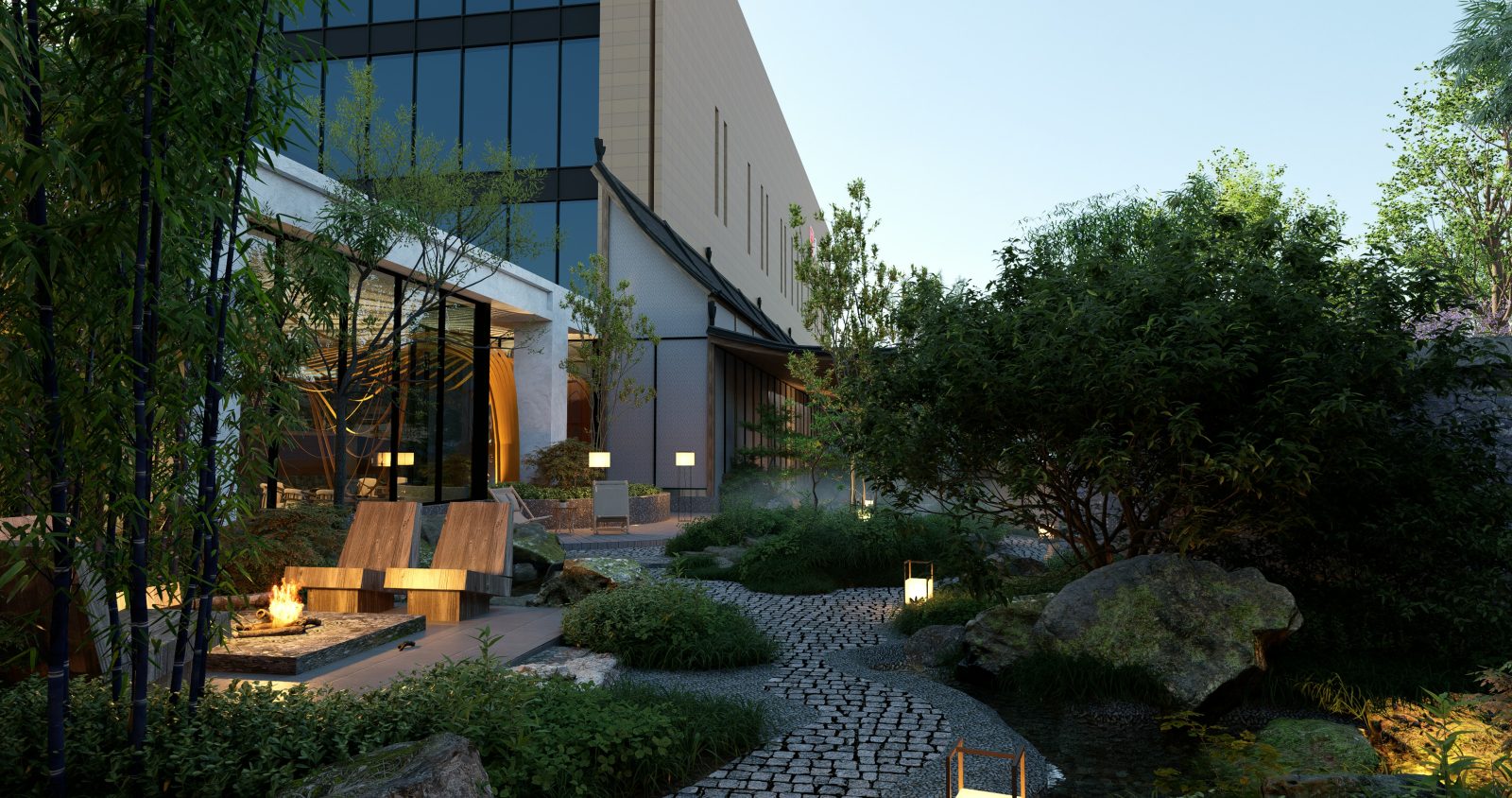

The British garden is evolving. As homeowners continue to blur the boundaries between indoor and outdoor living, 2026 will introduce a fresh wave of trends that prioritise sustainability, comfort and year-round usability.
Whether you’re refreshing a small city courtyard or redesigning a sprawling back garden, the coming year offers exciting opportunities to create a space that truly reflects modern lifestyles.
Here are the top garden design trends set to define 2026.
1. Climate-Conscious Planting Takes Centre Stage
With rising awareness of climate change, homeowners are rethinking how they plant and maintain their gardens. In 2026, landscapes will be designed to be both beautiful and resilient.
Expect to see:
-
Drought-tolerant species such as lavender, salvia and ornamental grasses
-
Rain gardens, designed to manage excess water naturally
-
Pollinator-friendly planting schemes that support bees and butterflies
-
Native British plants, prized for their adaptability and low maintenance
Gardeners are choosing smarter, more sustainable planting strategies that work in harmony with changing weather patterns.
2. Outdoor Living Rooms for All Seasons
Outdoor living is no longer limited to the summer months. In 2026, gardens will increasingly function as year-round extensions of the home.
Key features include:
-
Covered seating areas with pergolas, canopies or retractable roofs
-
Fire pits and outdoor heaters for warmth on cooler evenings
-
All-weather furniture designed for comfort and durability
-
Outdoor rugs and layered textiles to add softness and personality
The goal is simple: create outdoor spaces that feel as cosy and inviting as an indoor lounge.
3. Natural Materials and Earthy Textures
The shift towards organic materials continues, with homeowners opting for finishes that feel grounded, warm and connected to nature.
Popular choices for 2026 include:
-
Sandstone, slate and tumbled pavers
-
Timber decking and cladding in natural or weathered tones
-
Clay pots, terracotta tiles and handmade ceramics
-
Woven textures, such as rattan and hemp
This move towards tactile, earthy materials adds authenticity and timeless charm to any garden space.
4. Productive Gardens and Homegrown Living
Growing your own food remains a major trend, but 2026 takes it beyond the traditional vegetable patch. Homeowners are integrating productive elements seamlessly into stylish garden designs.
Expect to see:
-
Edible borders, mixing herbs and vegetables with ornamental plants
-
Compact fruit trees ideal for patios and small gardens
-
Raised planters for easier maintenance
-
Vertical growing systems for urban spaces
The focus is on making edible gardening both practical and beautiful.
5. Wild Meadows and ‘Untamed’ Areas
The rewilding movement will significantly influence garden design in 2026. Homeowners are embracing looser, more natural aesthetics that invite wildlife in.
Key elements include:
-
Mini meadow zones with wildflowers
-
Untamed corners left deliberately for insects and small mammals
-
Log piles and bug hotels to encourage biodiversity
-
Ponds and water features, supporting frogs, birds and pollinators
This approach brings ecological benefits while celebrating nature’s imperfect beauty.
6. Statement Water Features
Water adds instant tranquillity to any garden, and in 2026, we’ll see a rise in water elements designed to be the focal point of outdoor spaces.
Popular choices include:
-
Reflecting pools with clean, modern lines
-
Natural-style ponds supporting wildlife
-
Cascading waterfalls creating soothing sound
-
Contemporary fountains made from stone or corten steel
Water features lend serenity, elegance and a touch of luxury — no matter the garden size.
7. Multi-Zone Gardens for Modern Living
As gardens become more multifunctional, zoning is playing an increasingly important role. In 2026, homeowners are designing outdoor spaces with distinct purposes that flow cohesively.
Common zones include:
-
Dining areas with pergolas or string lights
-
Relaxation spaces with loungers or hammocks
-
Play zones for children
-
Kitchen gardens
-
Wildlife-friendly areas
Thoughtful zoning maximises usability and makes even small gardens feel spacious and organised.
8. Technology-Enhanced Gardening
Smart home technology is moving outdoors. In 2026, gardens will benefit from innovations that make maintenance easier and more efficient.
Expect to see:
-
App-controlled irrigation systems
-
Smart lighting that adjusts automatically
-
Robotic lawnmowers for hands-free upkeep
-
Soil sensors, helping gardeners track moisture and nutrient levels
Technology brings precision to garden care while freeing up more time to enjoy the space.
9. Bold Colour Palettes and Artistic Planting
Neutral gardens are giving way to more expressive designs. 2026 will be the year of confident planting and vibrant outdoor décor.
Trends include:
-
Rich jewel tones in perennials and shrubs
-
Bright container arrangements
-
Contrasting foliage — pairing deep greens with burgundy, lime or bronze
-
Garden art and sculptural pieces as focal points
Homeowners are embracing individuality, turning gardens into creative, personality-filled spaces.
The garden design trends for 2026 show a strong shift towards sustainability, relaxation and meaningful outdoor living. From climate-resilient planting to luxurious all-season spaces, next year’s gardens will be greener, smarter and more beautifully tailored to modern lifestyles.
Whether you’re dreaming of a low-maintenance wildlife haven, a social family hub or a productive garden bursting with homegrown goodness, 2026 offers endless inspiration for transforming your outdoor space.