

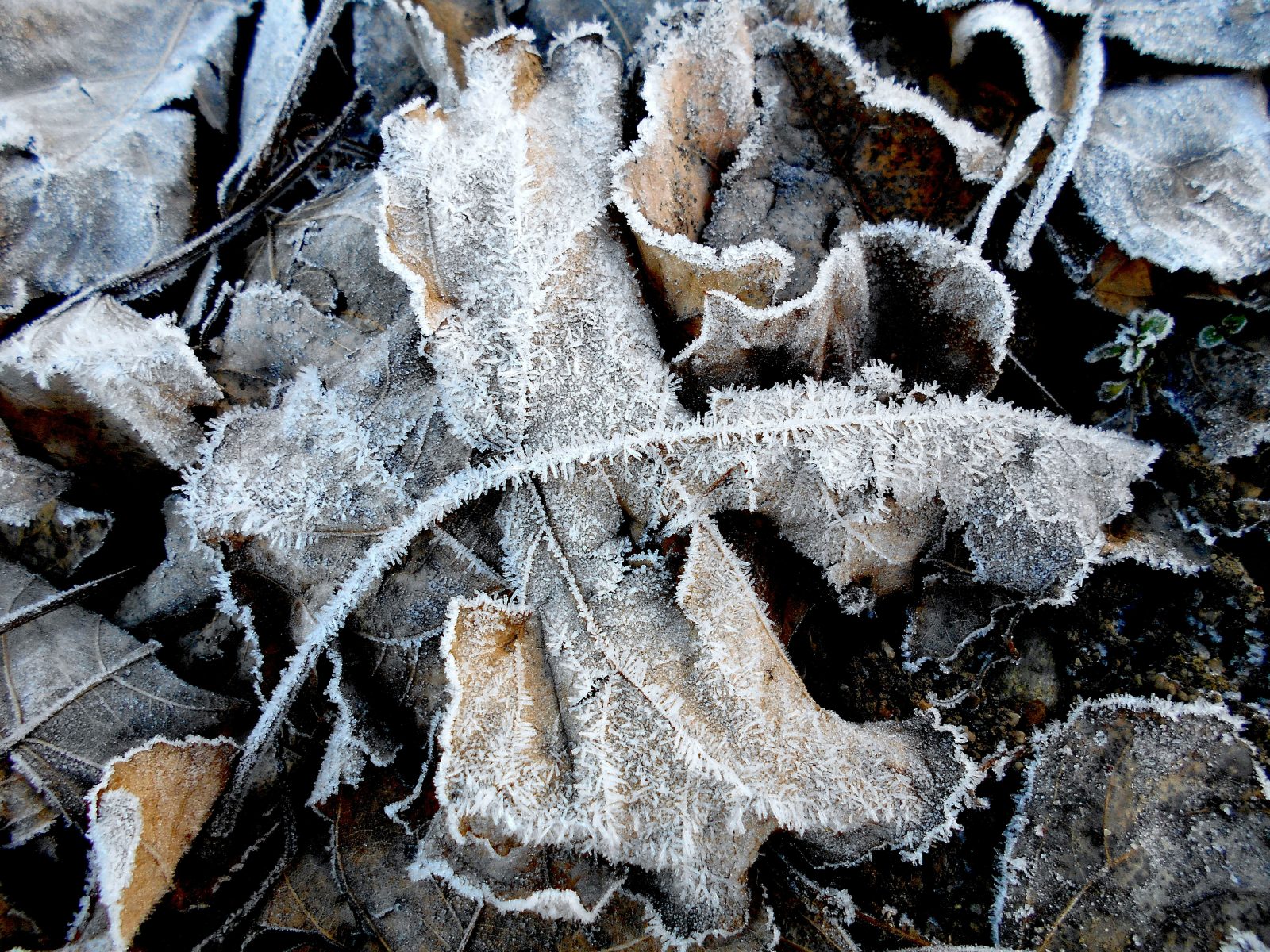

While January may still feel like the depths of winter, it’s the perfect time to start preparing your garden for spring.
Taking early action this month ensures that your garden is ready to bloom when the weather begins to warm up.
With a little planning and effort, you can set the stage for a vibrant and productive growing season.
Here’s how to prepare your garden for spring in January.
1. Plan Your Garden
January is an ideal time to plan your garden layout and decide what you’d like to grow in the coming months.
Whether you’re planting flowers, vegetables, or shrubs, sketch out your garden beds and consider which plants will thrive in your space.
Take into account factors such as sunlight, soil type, and companion planting.
If you’re planning a vegetable garden, now is the time to order seeds, especially for varieties that may sell out closer to spring.
Consider starting a garden journal to keep track of your planting schedule, crop rotation, and any observations about your garden’s performance.
2. Tidy Up and Clear Debris
Even in the cold of January, a tidy garden is essential for new growth.
Clear away any remaining debris from autumn and winter, such as fallen leaves, dead plants, and branches.
This will prevent pests and diseases from overwintering in your garden.
For flower beds and borders, cut back any dead growth on perennials and remove spent annuals.
If the weather permits, rake your lawn to remove leaves and moss, allowing it to breathe and recover before spring.
3. Prune and Trim
Winter pruning is essential for many trees, shrubs, and plants, as it encourages healthy growth in the spring.
In January, focus on pruning fruit trees, such as apple and pear, while they’re still dormant.
Remove dead or damaged branches and thin out overcrowded areas to allow light and air to reach the tree’s centre.
Deciduous hedges and ornamental shrubs can also be trimmed back, while roses benefit from a winter tidy-up to remove any dead wood.
Always use sharp, clean tools to make precise cuts and reduce the risk of spreading disease.
4. Prepare Your Soil
Although the ground may be cold, January is a good time to start improving your soil.
Begin by clearing weeds and turning over the top layer of soil with a fork or spade.
If the soil is workable, add organic matter such as compost, well-rotted manure, or leaf mould to enrich it.
If you have heavy clay soil, adding grit or sand can improve drainage and make it easier to work with in the spring.
Covering bare soil with a layer of mulch or a tarpaulin can also protect it from heavy rains and frost damage.
5. Start Sowing Indoors
For plants with a long growing season, January is the perfect time to start sowing seeds indoors.
Vegetables like tomatoes, chillies, and aubergines can be sown in pots or trays on a windowsill or in a heated propagator.
Early sowing gives these plants a head start, ensuring they’re strong and established by the time they’re ready to be planted outside.
Similarly, you can sow early-flowering plants such as sweet peas indoors.
These will produce beautiful blooms in late spring and early summer.
6. Check Your Tools and Structures
January is a good month to inspect your gardening tools, greenhouses, and outdoor structures.
Clean, sharpen, and oil tools like spades, secateurs, and trowels to ensure they’re ready for use.
Check your greenhouse for broken glass, clean the interior to remove algae and dirt, and make any necessary repairs.
Inspect fences, trellises, and raised beds for damage caused by winter weather.
Fixing these now will save you time and effort when the growing season begins.
7. Feed and Protect Wildlife
While you’re busy preparing your garden, don’t forget about the wildlife that plays a crucial role in your garden’s ecosystem.
Provide food and fresh water for birds, and clean out bird boxes ready for nesting season.
Hedgehogs and other small mammals may still be hibernating, so avoid disturbing piles of leaves or wood where they might be sheltering.
Planting early-flowering bulbs like snowdrops and crocuses can provide much-needed nectar for bees and other pollinators when they emerge in spring.
January may seem like a quiet month in the garden, but it’s a crucial time for preparation.
By planning your layout, tidying up, pruning, and enriching your soil, you’ll set the foundation for a thriving garden come spring.
With a little effort now, you’ll reap the rewards of a beautiful and productive garden in the months ahead.
So, wrap up warm, grab your gardening gloves, and start preparing for the season of renewal!